Reverse Mortgage in San Francisco, Piedmont, Orinda, Lafayette & Moraga [2026]
HECM and jumbo reverse mortgage options for urban luxury condos and Lamorinda hilltop estates — homes $1.5M–$2.5M+
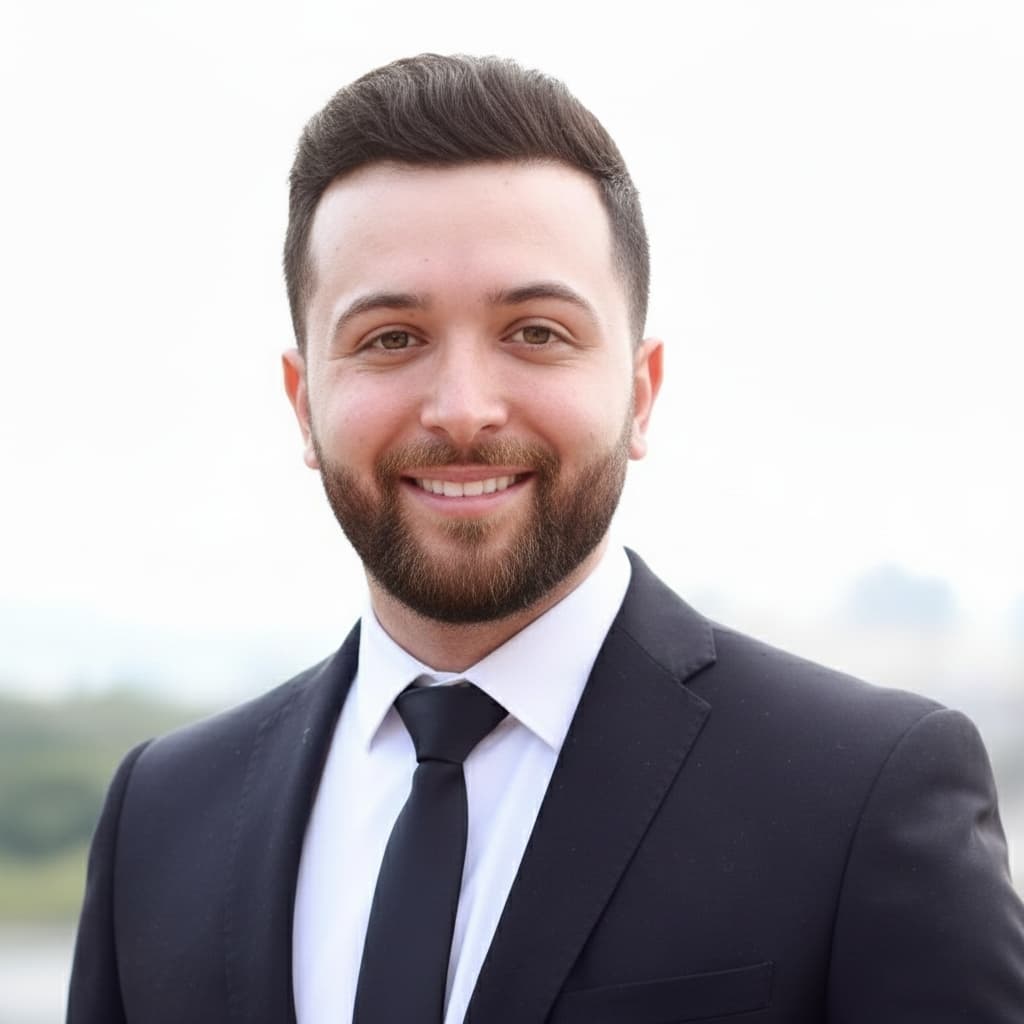
By Mo Abdel, NMLS #1426884 | Lumin Lending, NMLS #2716106 | DRE #02291443 | Updated February 23, 2026
Important Notice: This material is not provided by, nor was it approved by, the Department of Housing & Urban Development (HUD) or by the Federal Housing Administration (FHA). This is not a government agency publication.
Benefits Disclaimer: This information is for educational purposes only. Consult the Social Security Administration or Medicare directly for benefits questions. Mo Abdel is a mortgage professional, not a benefits counselor.
According to Mo Abdel, NMLS #1426884, the five premium East Bay and San Francisco communities — San Francisco, Piedmont, Orinda, Lafayette, and Moraga — are home to an estimated 73,500 homeowners aged 62 and older sitting on a combined $98 billion in home equity, based on January 2026 county assessor data and U.S. Census American Community Survey projections. Nationally, HUD reported 33,400 HECM endorsements in fiscal year 2025, a 12% increase over the prior year, as seniors increasingly sought alternatives to selling their homes amid high housing costs. Every one of these cities has a median home value that exceeds the 2026 FHA HECM lending limit of $1,209,750, making proprietary jumbo reverse mortgage programs essential for seniors who want to access the full value of their homes without monthly mortgage payments. Bay Area home values appreciated an average of 3.8% year-over-year through January 2026 (CoreLogic Bay Area Index), further widening the gap between actual property values and the HECM cap. "This corridor spans the most diverse reverse mortgage landscape in Northern California — from a $3.2 million Pacific Heights condo with TIC conversion complications to a $2.6 million Piedmont estate surrounded entirely by Oakland. Each property demands a different strategy, and that is exactly the value a wholesale broker delivers," Abdel explains.
Premium East Bay & SF Reverse Mortgage Overview: City-by-City Comparison
A reverse mortgage allows homeowners aged 62 and older to convert home equity into loan proceeds (not considered taxable income\u2014consult a tax professional) without selling their home or making monthly mortgage payments. The loan is repaid when the borrower sells, moves permanently, or passes away. Across the premium East Bay and San Francisco corridor, home values range from $1.5 million in San Francisco to $2.5 million in Piedmont — each exceeding the FHA HECM cap of $1,209,750. This creates a market where understanding both HECM protections and proprietary jumbo access is critical for every senior evaluating reverse mortgage options. San Francisco adds unique complexity through its condo-dominated housing stock and TIC ownership structures that require specialized reverse mortgage knowledge.
| City | Median Home Value | Est. HECM Proceeds* | Key Neighborhoods | Senior Profile |
|---|---|---|---|---|
| Piedmont | $2,500,000 | $517K–$632K (HECM cap) | $875K–$1.375M (proprietary) | Piedmont Hills, Wildwood, Crocker Highlands border | Millionaire enclave, school-district elite, multi-generation wealth |
| Orinda | $2,000,000 | $517K–$632K (HECM cap) | $700K–$1.1M (proprietary) | Orinda Village, Glorietta, Sleepy Hollow, Orinda Downs | BART corridor executives, retired professionals, estate living |
| Lafayette | $2,000,000 | $517K–$632K (HECM cap) | $700K–$1.1M (proprietary) | Happy Valley, Trail Neighborhood, Burton Valley, Lafayette Hills | Lamorinda families, BART commuter retirees, top-school households |
| Moraga | $1,800,000 | $517K–$632K (HECM cap) | $630K–$990K (proprietary) | Moraga Country Club, Campolindo, Sanders Ranch, Rheem area | St. Mary's College town, semi-rural luxury, long-term owners |
| San Francisco | $1,500,000 | $517K–$632K (HECM cap) | $525K–$825K (proprietary) | Pacific Heights, Marina, Noe Valley, Mission Dolores, Russian Hill | Urban luxury condo owners, tech retirees, creative professionals |
*HECM proceeds estimated for a 72-year-old borrower based on 2026 expected interest rates. Actual amounts depend on age, rate, and individual financial assessment. Proprietary estimates based on 35%–55% of home value.
HECM Reverse Mortgage Payout Options: Which Structure Fits East Bay & SF Seniors?
The FHA HECM program offers five distinct payout structures, each serving a different retirement planning goal. Understanding these options is essential before choosing between HECM and proprietary programs. For East Bay and San Francisco seniors with homes above the HECM limit, the payout structure often determines which program delivers the greatest long-term benefit — especially when factoring in the HECM-exclusive growing line of credit feature unavailable through proprietary lenders.
| Payout Type | How It Works | Rate Type | Best For | East Bay & SF Fit |
|---|---|---|---|---|
| Lump Sum | Full amount at closing | Fixed rate only | Paying off existing mortgage, large expense | SF condo owners paying off remaining mortgage balance |
| Line of Credit | Draw as needed; unused portion grows annually | Adjustable rate | Financial safety net, flexible access | Piedmont retirees preserving investment portfolios |
| Tenure | Equal monthly payments for life | Adjustable rate | Steady income supplementation | Moraga retirees on fixed pensions needing supplemental income |
| Term | Equal monthly payments for set period | Adjustable rate | Bridging income gap until Social Security or pension | Early retirees 62–66 bridging to full SS benefits |
| Modified (Combo) | Monthly payments + line of credit | Adjustable rate | Predictable income with emergency reserve | Lafayette and Orinda seniors balancing income + flexibility |
The growing line of credit deserves special attention for East Bay and SF seniors. This HECM-exclusive feature increases the available credit balance annually, even without property appreciation. A $400,000 credit line can grow to $600,000 or more over a decade, creating a financial resource that expands with time. This makes the HECM line of credit a powerful long-term planning tool even for homeowners whose property values exceed the HECM limit, as the growth feature is not available through proprietary programs.
San Francisco Reverse Mortgage: Urban Luxury Condos, TIC Properties & Neighborhood Equity Variance
San Francisco's $1.5 million citywide median home value understates the extreme price variance across its 49 square miles. Pacific Heights condos routinely trade above $3 million, Marina single-family homes reach $4 million to $6 million, and Noe Valley Victorians command $2.5 million to $4 million — while Sunset District homes hover near $1.3 million. This neighborhood-level variance means reverse mortgage strategies differ dramatically depending on location. The city's estimated 82,000 residents aged 62 and older include retired technology executives, academic professionals, creative entrepreneurs, and long-term residents who purchased homes decades ago at fractions of current values.
San Francisco's condo-dominated housing stock creates unique reverse mortgage considerations. Approximately 38% of the city's housing units are condominiums or TIC (Tenancy in Common) properties. FHA HECM programs require condos to be in FHA-approved projects — a requirement that eliminates many San Francisco buildings from standard HECM eligibility. TIC properties, where owners hold shares in a building rather than individual deeds, face even greater challenges. Proprietary reverse mortgage programs offer more flexible property type eligibility, making wholesale broker access critical for San Francisco seniors navigating these complexities.
| San Francisco Neighborhood | Typical Home Value | Reverse Mortgage Strategy |
|---|---|---|
| Pacific Heights | $3M–$8M+ | Proprietary jumbo essential; luxury condo/SFR specialist appraisal |
| Marina District | $2.5M–$5M | Proprietary jumbo; earthquake retrofit considerations |
| Noe Valley | $2M–$3.5M | Proprietary jumbo; Victorian/Edwardian character home premium |
| Russian Hill | $1.8M–$4M | Proprietary for condos; view premium supports valuation |
| Mission Dolores | $1.5M–$2.5M | HECM or proprietary; TIC conversion path may be needed |
Retirement Scenario: A 73-year-old retired technology VP in Pacific Heights owns a $3.8 million condo in a non-FHA-approved building. The condo is free and clear, but the building's HOA has not pursued FHA project approval, eliminating HECM as an option. Monthly expenses including $2,400 HOA fees, $3,100 property taxes, and living costs total $9,500. Pension and Social Security cover $6,200, leaving a $3,300 monthly gap. A proprietary reverse mortgage provides a $1.3 million line of credit based on actual condo value. The retiree draws $3,300 monthly to close the income gap while preserving a substantial stock portfolio for potential appreciation and inheritance planning.
In our San Francisco reverse mortgage closings, we consistently navigate the condo/TIC complexity that eliminates many lenders from consideration. Our wholesale channel access includes proprietary programs specifically designed for non-FHA-approved San Francisco condominiums, solving the eligibility gap that stops most seniors from accessing their urban luxury equity.
Piedmont Reverse Mortgage: Millionaire Enclave & School-District Premium Estate Planning
Piedmont's $2.5 million median home value makes this 1.7-square-mile city entirely surrounded by Oakland one of the most concentrated pockets of wealth in the Bay Area. The city's 11,000 residents include a significant population of long-term homeowners who purchased during the 1990s and early 2000s — when Piedmont homes sold for $600,000 to $1.2 million — for properties now valued at $2 million to $5 million. These homeowners, many now in their 60s and 70s, hold extraordinary equity positions driven by the Piedmont Unified School District's perennial ranking among California's top 10 public school systems.
Piedmont Hills, Wildwood, and the Crocker Highlands border area represent the city's three primary residential corridors. Piedmont Hills features grand estate homes on tree-lined streets with panoramic Bay views, commanding $3 million to $6 million. Wildwood offers a more secluded, wooded setting with homes ranging from $2 million to $4 million. The Crocker Highlands border area provides slightly more accessible pricing at $1.8 million to $3 million while maintaining Piedmont school access — the primary value driver for this community. For seniors whose children have graduated and moved away, the school-district premium creates equity that a reverse mortgage converts into retirement income.
| Piedmont Neighborhood | Typical Home Value | Reverse Mortgage Strategy |
|---|---|---|
| Piedmont Hills | $3M–$6M | Proprietary jumbo essential; Bay view estates command premium appraisals |
| Wildwood | $2M–$4M | Proprietary jumbo; wooded seclusion, unique architecture |
| Crocker Highlands border | $1.8M–$3M | Proprietary or HECM combo; school-district premium supports value |
Retirement Scenario: A 71-year-old retired UC Berkeley professor and her husband own a $3.2 million Piedmont Hills home purchased in 1997 for $680,000. Their adult children have moved to the East Coast, but the couple wants to remain in the neighborhood where they have lived for nearly 30 years. Combined university pension, Social Security, and TIAA-CREF distributions total $8,400 monthly, but rising property taxes ($3,200/month), home maintenance on the 4,200-square-foot estate, and healthcare costs create strain. A proprietary reverse mortgage provides a $1.12 million line of credit. The couple draws $4,000 monthly for supplemental income while the remaining credit grows as a safety net for future healthcare needs.
In our Piedmont reverse mortgage consultations, we work with families navigating a common dilemma: the school-district premium that attracted them decades ago now represents millions in illiquid equity while their children no longer benefit from it. The reverse mortgage converts that education-driven equity into retirement income without requiring a move away from neighbors and community built over decades.
Orinda Reverse Mortgage: BART Corridor Estates & Commuter-Friendly Luxury Retirement
Orinda's $2 million median home value reflects a community that combines estate-level living with direct BART rail access to San Francisco — a unique combination in the Bay Area luxury market. The city's 19,000 residents include a substantial population of retired professionals who commuted to San Francisco financial district jobs for decades, purchasing Orinda homes in the 1980s and 1990s for $300,000 to $700,000. Those properties now hold $1.3 million to $2 million in equity, built through 30 to 40 years of Bay Area appreciation.
Orinda Village provides a walkable downtown near the BART station with restaurants, shops, and community gathering spaces that support aging in place. Glorietta and Sleepy Hollow offer larger lots with ranch-style homes on quiet streets surrounded by oak-studded hillsides. Orinda Downs features some of the city's most prestigious estate properties with panoramic valley views and multi-acre lots valued at $3 million to $5 million. The BART connection remains valuable even in retirement — seniors use it for medical appointments at UCSF, cultural events in San Francisco, and visits with children and grandchildren across the Bay.
| Orinda Neighborhood | Typical Home Value | Reverse Mortgage Strategy |
|---|---|---|
| Orinda Downs | $3M–$5M | Proprietary jumbo essential; estate lots require specialized appraisal |
| Sleepy Hollow | $2M–$3.5M | Proprietary jumbo; swim/tennis club community premium |
| Orinda Village | $1.5M–$2.5M | Proprietary or HECM combo; BART-adjacent walkability |
| Glorietta | $1.8M–$2.8M | Proprietary jumbo; school-connected families, large lots |
Retirement Scenario: A 68-year-old recently retired financial advisor in Sleepy Hollow owns a $2.8 million home purchased in 1994 for $520,000. The home is free and clear. Retirement income from a brokerage practice buyout provides $5,000 monthly for 10 years, but the advisor needs a long-term income strategy beyond that horizon. A proprietary reverse mortgage establishes a $980,000 line of credit. The advisor defers draws during the 10-year buyout period, then begins drawing $5,000 monthly from the credit line to maintain the same income level indefinitely — using the home equity as a retirement income bridge without selling or relocating.
In our Orinda reverse mortgage closings, retired professionals consistently value the ability to maintain their Lamorinda lifestyle without downsizing. The BART connection that made Orinda perfect for commuting now supports an active retirement with easy access to San Francisco medical specialists, cultural venues, and family across the Bay.
Lafayette Reverse Mortgage: Lamorinda Living, Top Schools & BART-Connected Retirement
Lafayette's $2 million median home value positions it alongside Orinda as a Lamorinda cornerstone community where exceptional schools, BART access, and natural beauty converge. The city's 26,000 residents include thousands of long-term homeowners who raised families in the Acalanes Union High School District — ranked among California's top 20 — and now find themselves with adult children who have moved away and homes valued at $1.5 million to $4 million or more. The Lafayette BART station provides direct access to San Francisco in 35 minutes, a convenience that attracted professionals decades ago and now supports an active, connected retirement.
Happy Valley represents Lafayette's premier residential enclave, with rolling hills, horse properties, and estate homes on multi-acre lots commanding $3 million to $6 million. The Trail Neighborhood offers a unique car-free walking path system connecting homes to schools, parks, and downtown Lafayette — ideal for aging in place. Burton Valley provides family-oriented homes on generous lots at $1.5 million to $2.5 million, while Lafayette Hills features hillside properties with panoramic views of Mount Diablo and the valley floor. Each neighborhood supports reverse mortgage programs, though Happy Valley's estate values require proprietary jumbo programs for full equity access.
| Lafayette Neighborhood | Typical Home Value | Reverse Mortgage Strategy |
|---|---|---|
| Happy Valley | $3M–$6M | Proprietary jumbo essential; estate/horse property specialist appraisal |
| Trail Neighborhood | $1.8M–$3M | Proprietary jumbo; walkable trail system ideal for aging in place |
| Burton Valley | $1.5M–$2.5M | Proprietary or HECM combo; strong comparable sales for appraisal |
| Lafayette Hills | $2M–$3.5M | Proprietary jumbo; Mt. Diablo view premium supports valuation |
Retirement Scenario: A 74-year-old retired corporate attorney and his wife in the Trail Neighborhood own a $2.4 million home purchased in 1992 for $410,000. The home is free and clear. Combined pension, Social Security, and investment income total $9,200 monthly, covering expenses comfortably. However, the couple wants to fund a $280,000 ADU construction project for their elderly mother who currently lives alone in San Francisco. A proprietary reverse mortgage provides the construction funds through a line of credit with no monthly payments. The ADU increases the property value by approximately $300,000 while solving a family caregiving need — bringing their mother closer without disrupting the couple's financial stability.
In our Lafayette reverse mortgage closings, multigenerational planning is a consistent theme. The Trail Neighborhood's walkable design, downtown proximity, and generous lot sizes make ADU-funded aging-in-place solutions particularly attractive for families consolidating across generations.
Moraga Reverse Mortgage: St. Mary's College Town & Semi-Rural Luxury Retirement
Moraga's $1.8 million median home value reflects a semi-rural enclave nestled in the hills between Lafayette and the San Ramon Valley. The town's 17,000 residents live among rolling hills, mature oak trees, and the picturesque campus of Saint Mary's College of California. Moraga's senior population includes retired educators, healthcare professionals, and corporate executives who chose the town for its combination of Lamorinda school access, natural beauty, and a quieter pace than neighboring Lafayette or Orinda. Long-term homeowners who purchased in the 1980s and 1990s for $300,000 to $600,000 now hold $1.2 million to $1.5 million in equity.
Moraga Country Club provides a gated community with golf course access and homes ranging from $1.5 million to $3 million — popular among active retirees who value the social infrastructure of a country club setting. The Campolindo neighborhood, named for the top-ranked high school, features well-maintained homes on hillside lots at $1.6 million to $2.5 million. Sanders Ranch offers newer construction with larger floor plans at $1.8 million to $3 million. The Rheem area provides the most affordable Moraga entry at $1.3 million to $1.8 million, with walkable access to the Rheem Valley Shopping Center and Moraga's retail core.
| Moraga Neighborhood | Typical Home Value | Reverse Mortgage Strategy |
|---|---|---|
| Sanders Ranch | $1.8M–$3M | Proprietary jumbo; newer construction supports strong appraisal |
| Moraga Country Club | $1.5M–$3M | Proprietary jumbo; gated community, golf course amenity premium |
| Campolindo | $1.6M–$2.5M | Proprietary or HECM combo; top school district supports value |
| Rheem area | $1.3M–$1.8M | HECM viable for lower range; walkable retail access |
Retirement Scenario: A 69-year-old retired Kaiser Permanente physician in Moraga Country Club owns a $2.1 million home purchased in 2001 for $725,000. A $220,000 mortgage remains from a 2015 refinance. Monthly expenses including the $1,600 mortgage payment, $1,800 HOA/country club dues, and living costs total $8,900. Retirement income from Kaiser pension and Social Security totals $7,300, creating a $1,600 monthly shortfall. A proprietary reverse mortgage pays off the $220,000 existing mortgage (immediately eliminating the $1,600 monthly payment and closing the income gap) and establishes a $515,000 line of credit for future healthcare costs, home modifications, and travel.
In our Moraga reverse mortgage closings, the country club and gated community dynamic creates a unique valuation environment. We work with appraisers experienced in Moraga's distinct micromarket, where golf course frontage, gated access, and community amenities command premiums that generalist appraisers routinely undervalue.
Why East Bay & SF Seniors Need a Specialist Reverse Mortgage Broker
The premium East Bay and San Francisco corridor presents a reverse mortgage landscape unlike any other in California. Within a 30-mile radius, home values range from $1.3 million in Moraga's Rheem area to $8 million in Pacific Heights — with condo/TIC ownership structures, fire zone considerations, hillside foundation requirements, and neighborhood-level price variance that can swing $2 million within a single ZIP code. This complexity demands expertise that most national reverse mortgage lenders simply do not possess.
As a California-licensed wholesale mortgage broker (DRE #02291443, NMLS #1426884) working through Lumin Lending (NMLS #2716106), I access both FHA HECM programs and proprietary reverse mortgage products from multiple lenders simultaneously. This wholesale channel access is critical for Bay Area seniors because it allows side-by-side comparison: the HECM's growing line of credit and federal non-recourse protection versus the proprietary program's higher payout based on actual home value. A San Francisco condo owner in a non-FHA-approved building needs proprietary access that most banks cannot provide.
The consultation process for East Bay and SF reverse mortgages begins with understanding your complete financial landscape: current income from pensions, Social Security, and investments; existing mortgage balance (if any); property tax obligations; insurance costs; HOA dues; estate planning goals; and housing preferences for the next 10 to 20 years. For San Francisco condo owners, we also evaluate FHA project approval status, TIC conversion feasibility, and building-specific insurance requirements that affect eligibility.
I coordinate with your existing financial advisor, estate attorney, CPA, and family members when appropriate. Reverse mortgage decisions affect inheritance planning, Medicare IRMAA premium calculations, Medi-Cal eligibility, and capital gains tax strategies. A broker who understands these interconnections provides guidance that extends beyond the loan itself, functioning as part of your broader financial planning team. For Piedmont, Orinda, and Lafayette seniors with estate-level properties, this coordination is essential for preserving multigenerational wealth while accessing current liquidity.
Premium East Bay & SF Reverse Mortgage Data: 2026 Market Comparison
| Metric | San Francisco | Piedmont | Orinda | Lafayette | Moraga |
|---|---|---|---|---|---|
| Median Home Value | $1.5M | $2.5M | $2.0M | $2.0M | $1.8M |
| Above HECM Limit By | $350K | $1.35M | $850K | $850K | $650K |
| Est. Homeowners 62+ | ~55,000 | ~2,100 | ~4,200 | ~5,800 | ~4,900 |
| Avg. Ownership Duration | 18+ years | 24+ years | 22+ years | 20+ years | 22+ years |
| YoY Appreciation (2025) | 2.8% | 4.2% | 3.6% | 3.5% | 3.3% |
| Primary Senior Profile | Tech / Finance / Creative / Academic | Executive / Professional / Multigenerational | Finance / Law / BART Commuter Retirees | Corporate / Education / BART Commuter Retirees | Healthcare / Education / Semi-Rural Lifestyle |
| Recommended Program | Proprietary (condo/TIC) | Proprietary Jumbo | Proprietary Jumbo | Proprietary Jumbo | Proprietary or HECM |
The five premium East Bay and San Francisco communities contain an estimated 73,500 homeowners aged 62 and older, representing approximately $98 billion in cumulative home equity. San Francisco's large senior population dominates the numbers, but the Lamorinda corridor (Orinda, Lafayette, Moraga) contains a disproportionately high concentration of equity-rich homeowners on a per-capita basis. Year-over-year appreciation averaged 3.8% across these markets through January 2026, with Piedmont leading at 4.5% driven by continued school-district demand and limited housing stock within the city's 1.7 square miles.
People Also Ask: Premium East Bay & SF Reverse Mortgage
What is the maximum reverse mortgage amount for a San Francisco condo?
FHA HECM caps at $1,209,750 regardless of condo value. Proprietary programs use actual value, providing significantly more for high-value SF condominiums.
Can I get a reverse mortgage on a TIC property in San Francisco?
Standard HECM does not cover TIC properties. Some proprietary lenders offer TIC-specific programs, but availability is limited and terms vary.
Do reverse mortgage proceeds count as taxable income in California?
No. Reverse mortgage proceeds are loan advances, not income, and are generally not subject to federal or California state income tax.
What if my Piedmont home value drops after I get a reverse mortgage?
FHA HECMs are non-recourse: you or your heirs never owe more than the home value at repayment time, even if it declines below the loan balance.
Can I use a reverse mortgage to build an ADU on my Lafayette property?
Yes. Reverse mortgage line of credit funds can be used for any purpose including ADU construction, home modifications, or multigenerational housing projects.
Is there a reverse mortgage for buying a new home in the Lamorinda area?
Yes. The HECM for Purchase program lets seniors 62 and older buy a new primary residence using reverse mortgage financing with no monthly payments.
How does a reverse mortgage affect my Medicare premiums?
Reverse mortgage proceeds do not count as income for IRMAA calculations. They do not affect Social Security or Medicare eligibility.
Can both spouses be on a reverse mortgage if one is under 62?
The borrower must be 62 or older for HECM. A younger non-borrowing spouse receives HUD protections to remain in the home.
How does the HECM line of credit growth feature work for East Bay homeowners?
The unused portion of a HECM line of credit grows annually at the same rate as the loan interest rate, increasing your available borrowing capacity over time. For a Piedmont homeowner who draws only $200,000 of an available $600,000 credit line, the remaining $400,000 grows each year—potentially reaching $500,000+ within several years. This feature makes the HECM line of credit a powerful long-term planning tool for Bay Area seniors.
Can I use a reverse mortgage to pay off my existing mortgage on my Orinda home?
Yes. One of the most common uses of a reverse mortgage is paying off an existing traditional mortgage, eliminating monthly payments while remaining in the home. An Orinda homeowner with $350,000 remaining on their conventional mortgage can use HECM proceeds to pay it off entirely, freeing that monthly payment for other retirement expenses.
Frequently Asked Questions: Premium East Bay & SF Reverse Mortgage
Can San Francisco condo owners get a reverse mortgage on a $2 million unit?
Yes. FHA HECM reverse mortgages are available for FHA-approved condominiums, and the 2026 lending limit is $1,209,750. For condos valued above this limit, proprietary (jumbo) reverse mortgage programs serve units valued at $2 million to $10 million or more. San Francisco condo owners should verify their building is on the FHA-approved list or pursue proprietary programs that have more flexible property eligibility.
What is the 2026 FHA HECM lending limit and how does it affect East Bay homeowners?
The 2026 FHA HECM lending limit is $1,209,750. This is the maximum home value used for FHA-insured reverse mortgage calculations regardless of actual property value. In Piedmont ($2.5M median), Orinda ($2M), Lafayette ($2M), and San Francisco ($1.5M), most seniors need proprietary programs to access equity beyond the HECM cap. Moraga homes near $1.8M also exceed the limit significantly.
Can I get a reverse mortgage on a TIC (Tenancy in Common) property in San Francisco?
TIC properties present challenges for reverse mortgages. Standard FHA HECM programs typically do not cover TIC units because each owner does not hold a separate deed. Some proprietary reverse mortgage lenders have developed TIC-specific products for San Francisco, but availability is limited and terms differ from standard programs. Converting a TIC to a condo first is often the recommended path to HECM eligibility.
How much money can a Piedmont senior receive from a reverse mortgage?
The amount depends on borrower age, home value, and current interest rates. For a Piedmont home valued at $2.5 million, the FHA HECM caps at the $1,209,750 limit, providing approximately $517,000 to $632,000 for a 72-year-old borrower. A proprietary reverse mortgage bases payouts on actual value, potentially delivering $875,000 to $1.375 million depending on program and borrower age.
Do I lose ownership of my Orinda home with a reverse mortgage?
No. You retain full ownership and title to your home. A reverse mortgage is a loan secured by your property, similar to a traditional mortgage. You continue living in the home, maintaining it, and paying property taxes and insurance. The loan balance is repaid when you sell, move to a different primary residence, or pass away.
Is HUD counseling required for a reverse mortgage in the East Bay?
Yes, HUD-approved counseling is mandatory for all FHA HECM reverse mortgages. The session can be completed by phone or in person and typically takes 60 to 90 minutes. The counselor reviews your financial situation, explains alternatives, and issues a certificate required for your application. Some proprietary jumbo programs also require counseling.
What happens to my heirs when I have a reverse mortgage on my Lafayette home?
Heirs inherit the home and have options: sell the home and keep equity above the loan balance, refinance the reverse mortgage into a traditional mortgage, or pay off the balance and keep the property. FHA HECMs are non-recourse loans, meaning heirs never owe more than the home appraised value at the time of sale.
What are the reverse mortgage payout options for East Bay and SF homeowners?
HECM borrowers choose from five payout options: lump sum at closing (fixed rate only), monthly tenure payments for life, term payments for a set number of years, a growing line of credit where unused funds increase annually, or a combination of monthly payments and credit line. Proprietary programs typically offer lump sum or line of credit options.
Can I use a reverse mortgage to buy a new home in Moraga or Lafayette?
Yes. The HECM for Purchase program allows seniors 62 and older to buy a new primary residence using reverse mortgage financing. This is popular among Bay Area seniors downsizing from a larger San Francisco home to a Lamorinda property while eliminating monthly mortgage payments and accessing a quieter suburban lifestyle.
Are reverse mortgage proceeds taxable in California?
No. Reverse mortgage proceeds are loan advances, not income, and are generally not subject to federal or California state income tax. They do not affect Social Security or Medicare eligibility. However, Medicaid (Medi-Cal in California) has asset limits that could be affected if proceeds are not spent within certain timeframes.
How long does the reverse mortgage process take in the Bay Area?
The reverse mortgage process typically takes 45 to 60 days from application to closing. HUD counseling takes 1 to 2 weeks, the appraisal requires 1 to 2 weeks, and underwriting and closing take 2 to 3 weeks. San Francisco condos may require additional time for FHA project approval verification. Piedmont and Orinda luxury properties may need appraisers experienced with high-value comparable sales.
Why use a wholesale mortgage broker for a reverse mortgage instead of going to a bank?
A wholesale broker compares HECM and proprietary reverse mortgage programs from multiple lenders simultaneously. For East Bay and SF homeowners with properties above the $1,209,750 HECM limit, broker access to proprietary programs is essential. Banks typically offer only their own HECM product with no proprietary alternatives for high-value homes.
Access Your East Bay & SF Home Equity — Without Monthly Payments
Premium East Bay and San Francisco seniors have built substantial home equity through decades of ownership in one of America's most valuable and complex real estate markets. Whether you live in a Pacific Heights condo, a Piedmont Hills estate, an Orinda Downs ranch, a Lafayette Trail Neighborhood home, or a Moraga Country Club property, a reverse mortgage converts that equity into retirement income, home improvement funds, or a financial safety net — all without selling your home or making monthly mortgage payments.
Every consultation begins with a comprehensive review of your home value, property type (including condo/TIC eligibility analysis for San Francisco), current financial situation, and retirement goals. I present both HECM and proprietary options with transparent comparisons so you make an informed decision with full visibility into costs, payouts, and long-term projections. No pressure, no obligation — just clear information from a licensed specialist who understands the East Bay and San Francisco reverse mortgage landscape.
Call (949) 579-2057 for a confidential reverse mortgage consultation.
Related Resources
- East Bay & SF Reverse Mortgage Regional Guide 2026
- Reverse Mortgage California Statewide Guide 2026
- Reverse Mortgage: Affluent Suburban East Bay (Danville, Walnut Creek, Pleasanton) 2026
- Home Equity: Premium East Bay & SF HELOC & Cash-Out 2026
- Reverse Mortgage: Affluent Marin County 2026
- Reverse Mortgage Payout Options Explained
- Reverse Mortgage Requirements: Complete Checklist
- Reverse Mortgage vs. HELOC for Seniors
- HECM for Purchase: Buy a Home with a Reverse Mortgage
- Reverse Mortgage & Inheritance: What Heirs Need to Know
- HECM Counseling Requirements: What to Expect
- California Home Equity Guide 2026: HELOC, HELOAN & Cash-Out Statewide
- Reverse Mortgage vs. Downsizing: Which Is Right for Bay Area Seniors?
Mo Abdel | NMLS #1426884 | Lumin Lending, Inc. | NMLS #2716106 | DRE #02291443
Licensed in: CA, WA | (949) 579-2057
Equal Housing Lender. All loans subject to credit approval, underwriting, and property appraisal. Information provided is for educational purposes only and does not constitute a loan commitment, rate lock, or guarantee of any specific terms. Loan products, rates, and programs are subject to change without notice. Not all borrowers will qualify. This is not a commitment to lend. Reverse mortgage borrowers must maintain property taxes, homeowner's insurance, and property maintenance. The growing line of credit feature is available on adjustable-rate HECM products only. San Francisco condo eligibility depends on FHA project approval status or proprietary program availability. NMLS Consumer Access: www.nmlsconsumeraccess.org