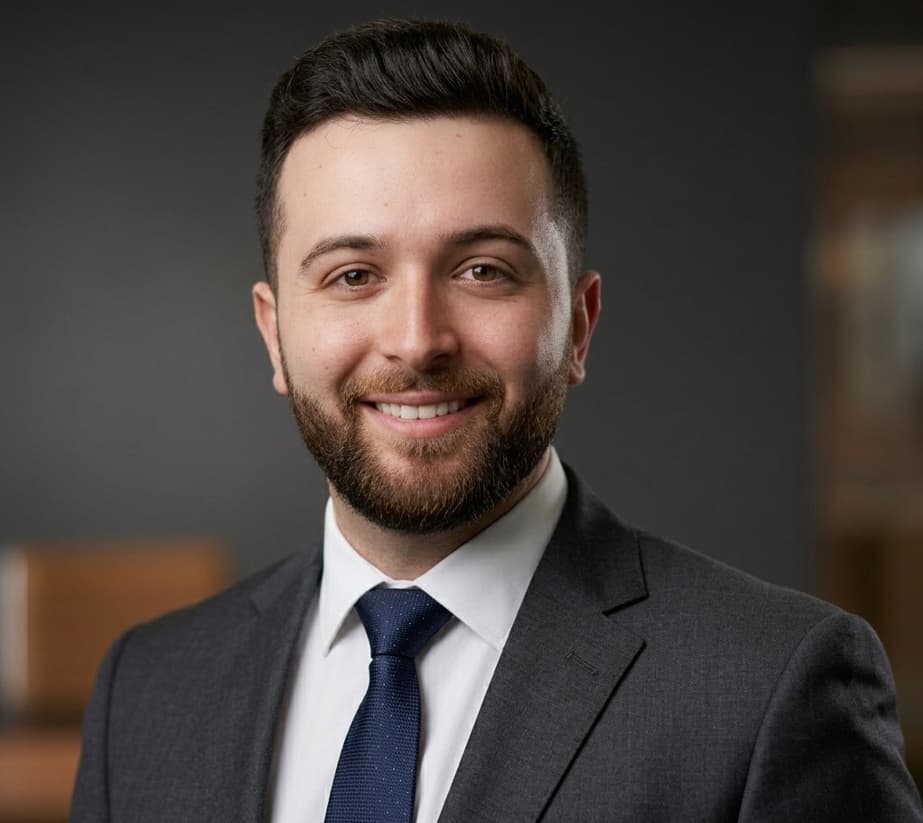
Reverse Mortgage in Mountain View, Sunnyvale & Tech Corridor, CA [2026]
By Mo Abdel, NMLS #1426884 | Lumin Lending NMLS #2716106 |
HECM & jumbo reverse mortgage for Silicon Valley Tech Corridor seniors 62+ | Licensed in CA & WA
Important Notice: This material is not provided by, nor was it approved by, the Department of Housing & Urban Development (HUD) or by the Federal Housing Administration (FHA). This is not a government agency publication.
Benefits Disclaimer: This information is for educational purposes only. Consult the Social Security Administration or Medicare directly for benefits questions. Mo Abdel is a mortgage professional, not a benefits counselor.
Silicon Valley Tech Corridor Reverse Mortgage Fast Facts (2026)
- According to Mo Abdel, NMLS #1426884 at Lumin Lending (NMLS #2716106, DRE #02291443), HUD data shows California HECM originations increased 31% year-over-year through Q4 2025, with Santa Clara County leading growth
- The 2026 HECM lending limit is $1,209,750 — every city in this Tech Corridor hub has a median home value that meets or exceeds this threshold, making jumbo reverse mortgage products relevant for maximizing senior equity access
- An estimated 47,000 homeowners aged 62+ reside in Mountain View, Sunnyvale, San Jose, Santa Clara, and Campbell, controlling approximately $58 billion in home equity (U.S. Census, CoreLogic)
- Santa Clara County reverse mortgage originations increased 28% year-over-year in 2025, driven by rising home values and growing awareness of the HECM line of credit growth feature (HUD data)
- The HECM line of credit growth rate compounds annually, turning a $500,000 initial credit line into $700,000–$900,000+ over 10 years — a feature that makes early establishment of a reverse mortgage line strategically valuable for retirement planning
Silicon Valley Tech Corridor seniors who have lived in their Mountain View, Sunnyvale, San Jose, Santa Clara, or Campbell homes for decades control extraordinary home equity positions built through Silicon Valley's sustained real estate appreciation. A reverse mortgage converts that equity into loan proceeds (not considered taxable income\u2014consult a tax professional), eliminates monthly mortgage payments, and provides a growing line of credit — all while you retain full ownership of your home. As a wholesale mortgage broker with access to multiple HECM and jumbo reverse mortgage lenders, I help Tech Corridor seniors compare products to find the best terms for their specific property and financial goals.
This hub covers reverse mortgage options for five Tech Corridor cities where median values range from $1.3M in San Jose and Campbell to $2M in Mountain View. For the broader Bay Area perspective, visit our Bay Area Peninsula Reverse Mortgage Guide or the statewide California Reverse Mortgage Guide. For sibling hubs, see the Peninsula Ultra-Luxury and Premium Silicon Valley reverse mortgage guides.
Tech Corridor Reverse Mortgage at a Glance
- 2026 HECM limit: $1,209,750 (FHA maximum lending value)
- Jumbo reverse available: Yes — accesses equity above the HECM cap for all five cities
- Highest median value: Mountain View ($2M) — jumbo reverse provides the most additional proceeds here
- Most HECM-aligned value: San Jose & Campbell ($1.3M) — HECM captures a higher percentage of home value
- Eligible population: ~47,000 homeowners aged 62+ across the five cities
- Processing time: HECM 30–45 days, Jumbo reverse 25–35 days
Tech Corridor Reverse Mortgage: City-by-City Market Analysis
| City | Median Value | Value Above HECM Limit* | Best Reverse Product | Key Neighborhoods |
|---|---|---|---|---|
| Mountain View | $2,000,000 | $850,175 | Jumbo reverse + HECM comparison | Old Mountain View, Cuesta Park, Waverly Park, Rex Manor |
| Sunnyvale | $1,400,000 | $250,175 | Jumbo reverse or HECM (close to limit) | Cherry Chase, Ponderosa, Lakewood |
| Santa Clara | $1,400,000 | $250,175 | Jumbo reverse or HECM | Old Quad, Washington Park, University area |
| San Jose | $1,300,000 | $150,175 | HECM (captures most value) or jumbo | Willow Glen, Almaden Valley, Evergreen, Cambrian, Rose Garden |
| Campbell | $1,300,000 | $150,175 | HECM (captures most value) or jumbo | Downtown Campbell, Ainsley Park, Hamann Park |
*Value above HECM limit = median value minus $1,209,750. Actual proceeds depend on borrower age, interest rates, existing mortgage balance, and property appraisal. The HECM limit is the maximum value used in FHA calculations regardless of actual home value.
HECM vs. Jumbo Reverse Mortgage: Tech Corridor Comparison
The choice between a HECM and jumbo reverse mortgage depends on your home value, desired proceeds, and which features matter most. For Tech Corridor homeowners with values above $1,209,750, both options deserve consideration.
| Feature | HECM (FHA-Insured) | Jumbo Reverse (Proprietary) |
|---|---|---|
| Max Property Value Used | $1,209,750 (2026 limit) | Actual appraised value (no cap) |
| Government Insurance | Yes (FHA-insured) | No (private lender program) |
| HUD Counseling Required | Yes (mandatory before application) | No (but recommended) |
| Line of Credit Growth | Yes — unused credit grows annually | Most programs do not offer this |
| Non-Recourse Protection | Yes (FHA insurance covers shortfall) | Yes (most programs are non-recourse) |
| Payout Options | Lump sum, line of credit, monthly, or combination | Lump sum or line of credit (varies by lender) |
| Upfront MIP | 2% of home value (up to $22,997) | None |
| Annual MIP | 0.5% of outstanding balance | None |
| Closing Timeline | 30–45 days | 25–35 days |
| Best for Tech Corridor | San Jose & Campbell (value near HECM cap), long-term LOC growth strategy | Mountain View (high value above cap), maximum immediate proceeds |
E-E-A-T Insight from Mo Abdel, NMLS #1426884: The HECM line of credit growth feature is one of the most underutilized financial planning tools available to Silicon Valley seniors. A 65-year-old homeowner who establishes a $500,000 HECM line of credit today and does not draw on it for 10 years will have $700,000–$900,000+ available at age 75 — without any deposits or contributions. This growth occurs regardless of what happens to your home's market value. For Tech Corridor seniors with adequate current retirement income, establishing a HECM early as a growing financial reserve is a strategy worth serious consideration. I present both HECM and jumbo options side by side so every client makes a fully informed decision.
Mountain View Reverse Mortgage: Google Campus Equity & Long-Term Homeowner Wealth
Mountain View's $2 million median value reflects its transformation from a quiet suburban city to the global headquarters of Google (Alphabet). Long-term homeowners who purchased in Old Mountain View, Cuesta Park, Waverly Park, or Rex Manor during the 1980s–2000s for $200K–$600K now sit on $1.4M–$1.8M+ in home equity. Many of these homeowners are now 62+ and entering retirement with their primary wealth concentrated in their homes.
Mountain View presents the strongest case for jumbo reverse mortgages in this corridor. With a median value of $2M — roughly $850,000 above the HECM limit — a standard HECM captures only about 57% of the home's value for proceeds calculation. A jumbo reverse mortgage uses the full $2M, providing substantially more available equity. For a 72-year-old Mountain View homeowner with a free-and-clear $2M home, the difference between HECM and jumbo reverse proceeds can exceed $200,000–$350,000. Old Mountain View's walkable downtown with restaurants, transit access, and proximity to Googleplex makes aging in place particularly attractive, and a reverse mortgage funds the home modifications, healthcare expenses, and lifestyle needs that make staying home comfortable and sustainable.
Sunnyvale Reverse Mortgage: Mid-Tech Professional Retirement Equity
Sunnyvale's $1.4 million median reflects its position as a major tech employment center hosting LinkedIn, Yahoo (now Altaba), Juniper Networks, and hundreds of smaller companies. Cherry Chase, Ponderosa, and Lakewood neighborhoods feature ranch-style homes from the 1950s–1970s where long-term owners have built substantial equity. These neighborhoods are home to a large population of retiring tech professionals who earned solid incomes throughout their careers but have most of their wealth tied up in their homes.
Sunnyvale's $1.4M median sits at an interesting decision point: the HECM captures approximately 82% of the home value ($1,209,750 of $1.4M), making it a viable option for many homeowners. However, jumbo reverse products that use the full $1.4M value provide 15–20% more in proceeds. The right choice depends on whether the HECM's line of credit growth feature or the jumbo's higher immediate proceeds better serves the homeowner's retirement strategy. Common uses in Sunnyvale include eliminating existing mortgage payments ($3,000–$5,000/month freed), funding home modifications for aging in place (single-story conversion, bathroom accessibility, kitchen updates), and supplementing retirement income to maintain quality of life in Silicon Valley's high-cost environment.
San Jose Reverse Mortgage: Silicon Valley Gateway & Diverse Neighborhood Equity
San Jose at $1.3 million median is the largest city in Silicon Valley and home to the most diverse range of reverse mortgage candidates in this corridor. Willow Glen's tree-lined streets feature craftsman and Spanish colonial homes where families have lived for 30–50 years. Almaden Valley offers larger lots and mountain views in a suburban setting. Evergreen provides newer construction with strong school districts. Cambrian features mid-century homes near Valley Fair and Santana Row. The Rose Garden district combines historic charm with proximity to downtown San Jose's cultural amenities.
San Jose's $1.3M median is closest to the HECM limit among Tech Corridor cities, meaning the standard HECM program captures approximately 88% of the median home value — the highest percentage in this hub. This makes San Jose the city where the HECM is most competitive with jumbo alternatives. For San Jose seniors who value the HECM's line of credit growth feature and FHA non-recourse protection, the HECM delivers strong value. The city's diverse housing stock includes single-family homes, townhomes, and condos — all eligible for reverse mortgages with proper qualification. San Jose's lower property tax base (Prop 13 protected for long-term owners) and relatively lower cost of living compared to Mountain View or Palo Alto mean reverse mortgage proceeds stretch further for daily retirement expenses.
Santa Clara Reverse Mortgage: Intel/Applied Materials & Relocation-Era Retirement
Santa Clara's $1.4 million median reflects its role as home to Intel's headquarters, Applied Materials, and the semiconductor industry that built Silicon Valley. Old Quad, Washington Park, and the University area (near Santa Clara University) feature homes purchased by engineers and technicians who arrived during the semiconductor boom of the 1970s–1990s and are now entering retirement age. These homeowners represent a unique demographic: highly educated professionals who earned strong but not extraordinary incomes, invested conservatively, and accumulated their primary wealth through decades of Silicon Valley home appreciation.
The reverse mortgage opportunity for Santa Clara seniors centers on converting home equity wealth into retirement cash flow. A retired Intel engineer who purchased a Washington Park home for $350,000 in 1998 now owns a $1.4M property with significant tappable equity. A HECM or jumbo reverse mortgage eliminates any remaining mortgage payment and provides $400,000–$700,000 in additional proceeds depending on age and existing loan balance. Common deployment: $100,000–$200,000 in immediate funds for home renovation and healthcare needs, with the remainder structured as a growing line of credit for future expenses. Santa Clara's proximity to Santa Clara Valley Medical Center and Kaiser Permanente facilities makes aging in place practical, and reverse mortgage proceeds fund the home modifications and care assistance that support independence.
Campbell Reverse Mortgage: Downtown Living Premium & Small-Lot Luxury Retirement
Campbell's $1.3 million median reflects its charm as a walkable downtown community with a vibrant farmers market, boutique restaurants, and an active senior community. Downtown Campbell, Ainsley Park, and Hamann Park feature smaller lots with well-maintained mid-century homes where long-term residents have built substantial equity. Campbell's compact geography and walkable amenities make it one of Silicon Valley's most desirable aging-in-place communities — seniors walk to the grocery store, farmers market, restaurants, and medical offices without driving.
Campbell's position mirrors San Jose in reverse mortgage product selection: the $1.3M median means the HECM captures the highest percentage of home value in this corridor. The HECM line of credit growth feature is particularly valuable for Campbell seniors who have adequate current retirement income but want a growing financial safety net for future healthcare costs, home maintenance, and lifestyle expenses. For Campbell homeowners who want maximum immediate proceeds, the jumbo reverse mortgage option provides an additional 10–15% in available funds by using the full property value. Campbell's strong community infrastructure — Ainsley Park's senior-friendly flat lots, Downtown's walkability, and Pruneyard Shopping Center's accessibility — supports the aging-in-place lifestyle that reverse mortgages are designed to fund.
Why Silicon Valley Seniors Choose a Wholesale Broker for Reverse Mortgages
The reverse mortgage market includes HECM lenders, jumbo reverse lenders, and a small number of brokers who access both channels. As a wholesale broker, I provide Silicon Valley seniors with a critical advantage: unbiased comparison between HECM and jumbo products from multiple lenders, ensuring the recommended product truly serves your financial goals rather than the lender's profit objectives.
HECM + Jumbo Comparison
Most reverse mortgage originators specialize in either HECM or jumbo products. As a wholesale broker, I present both options side by side with transparent cost analysis, allowing you to choose based on your specific situation rather than the originator's product limitations.
Multiple Jumbo Lender Access
The jumbo reverse mortgage market has 8–12 active lenders with different rate structures, maximum loan amounts, and property requirements. Wholesale access allows rate shopping across all available programs rather than accepting a single lender's terms.
Condo Qualification Expertise
San Jose and Sunnyvale condos require specific HUD/FHA building approvals for HECM eligibility or lender-specific approvals for jumbo reverse products. Broker access identifies which buildings qualify with which lenders before you invest time in the process.
Family-Centered Counseling
Reverse mortgage decisions involve family dynamics. I encourage adult children to participate in consultations, provide educational materials for family review, and ensure the decision serves the senior's best interest with full family understanding and support.
The Reverse Mortgage Process in Silicon Valley: Step by Step
Free Consultation & Education (Day 1)
We review your home value, age, existing mortgage balance, and retirement goals. You receive a preliminary comparison of HECM vs. jumbo reverse mortgage proceeds, costs, and features. Family members are welcome. No obligation, no pressure — education is the first step.
HUD Counseling (HECM) or Lender Selection (Jumbo) — Days 2–10
For HECM: You complete mandatory HUD-approved counseling (phone or in-person, approximately 90 minutes). The counselor reviews reverse mortgage mechanics, costs, and alternatives. For jumbo: We submit your profile to multiple jumbo reverse lenders and collect competing offers. Both paths proceed simultaneously if you are considering both options.
Application, Appraisal & Financial Assessment — Days 10–30
You submit the application with minimal documentation (ID, property insurance, property tax records). The lender orders a full interior appraisal. A financial assessment reviews your ability to maintain property taxes and insurance. If needed, a Life Expectancy Set-Aside (LESA) is calculated to ensure ongoing property charge payment.
Underwriting, Closing & Funding — Days 30–45
The lender completes underwriting, prepares closing documents, and schedules the signing. After the mandatory 3-day right of rescission period, your reverse mortgage is funded. For HECM line of credit: the full credit line is established and available for draws immediately. For lump sum: funds are disbursed per your selection. Any existing mortgage is paid off from proceeds at closing.
5 Strategic Uses for Reverse Mortgage Proceeds in Silicon Valley
1. Eliminate Monthly Mortgage Payments
Tech Corridor seniors with remaining mortgages of $300K–$800K pay $2,500–$5,500 monthly. A reverse mortgage pays off the existing balance and eliminates this payment entirely. For a Sunnyvale homeowner with a $400K remaining mortgage at $3,200/month, eliminating this payment adds $38,400 annually to retirement cash flow — equivalent to a significant pension or Social Security increase.
2. Growing Line of Credit for Future Needs
Establishing a HECM line of credit early — even if you do not need funds now — creates a growing financial reserve. A $500,000 line established at age 65 grows to $700,000–$900,000+ by age 75, providing a substantial safety net for healthcare costs, long-term care, or unexpected expenses. This growth feature is unique to the HECM program and represents free financial optionality.
3. Aging-in-Place Home Modifications
Single-story conversion, bathroom accessibility upgrades, kitchen modifications, stair lifts, and smart home technology for independent living typically cost $50,000–$150,000 in Silicon Valley. Reverse mortgage proceeds fund these improvements that allow seniors to remain in their Tech Corridor homes rather than relocating to assisted living facilities that cost $8,000–$15,000 monthly in the Bay Area.
4. Delay Social Security for Higher Benefits
Each year you delay Social Security beyond age 62 increases your benefit by approximately 7–8%. Using reverse mortgage proceeds to bridge the gap between retirement and optimal Social Security claiming age (typically 70) can increase your lifetime Social Security benefits by $100,000–$200,000+. This strategy converts home equity today into a permanently higher income stream for life.
5. Healthcare & Long-Term Care Funding
Silicon Valley healthcare costs and potential long-term care needs are among the highest in the nation. A reverse mortgage line of credit provides a dedicated funding source for in-home care ($30–$50/hour in Silicon Valley), medical procedures not covered by Medicare, prescription medications, and emergency healthcare expenses. Having this reserve in place before a health event occurs provides peace of mind and financial flexibility.
People Also Ask: Reverse Mortgage in Silicon Valley Tech Corridor
What is the minimum age for a reverse mortgage in California?
You must be 62 or older to qualify for a reverse mortgage in California. Both HECM and jumbo reverse programs require at least one borrower to be 62+.
Can I get a reverse mortgage if I still have a mortgage?
Yes. The reverse mortgage pays off your existing mortgage from proceeds. Any remaining equity is available as additional funds through your selected payout option.
Is a reverse mortgage a good idea in Silicon Valley?
For qualifying seniors, a reverse mortgage converts concentrated home equity into retirement income without selling. Silicon Valley's high values maximize available proceeds.
What are the costs of a reverse mortgage?
HECM costs include 2% upfront MIP, origination fee, appraisal, and closing costs. Jumbo reverse products have no MIP but include origination and closing costs. Total costs vary by program and lender.
Can heirs inherit a home with a reverse mortgage?
Yes. Heirs can sell the home and keep equity above the loan balance, or refinance to keep the property. HECM loans are non-recourse — heirs owe nothing beyond the home's value.
How does the reverse mortgage line of credit grow?
HECM unused credit lines grow at the same rate as the loan balance accrual rate. This means available credit increases annually, creating a larger reserve over time.
Frequently Asked Questions: Reverse Mortgage in Silicon Valley Tech Corridor
Can I get a reverse mortgage on my Mountain View home?
Yes, if you are 62 or older and own your Mountain View home as your primary residence. With Mountain View's median value of $2 million, most homeowners exceed the 2026 HECM limit of $1,209,750. A standard HECM provides proceeds based on the $1,209,750 cap, while a jumbo (proprietary) reverse mortgage accesses equity above that limit. Both options require no monthly mortgage payments.
What is the 2026 HECM limit and how does it affect Silicon Valley homeowners?
The 2026 FHA HECM limit is $1,209,750. This is the maximum home value the FHA-insured HECM program uses to calculate available proceeds, regardless of your home's actual value. For Silicon Valley Tech Corridor homeowners with homes valued at $1.3M-$2M+, this means the HECM does not capture your full equity. Jumbo reverse mortgage programs fill this gap by calculating proceeds based on the actual appraised value, providing significantly more funds for homeowners with high-value properties.
How much can I receive from a reverse mortgage in Sunnyvale?
The amount depends on your age, home value, and current interest rates. A 72-year-old Sunnyvale homeowner with a $1.4M home and no existing mortgage could access approximately $600,000-$700,000 through a HECM (capped at $1,209,750 value) or $700,000-$850,000 through a jumbo reverse mortgage that uses the full $1.4M value. Older borrowers receive higher proceeds. A personalized calculation requires current rate quotes from our lender network.
Do I still own my home with a reverse mortgage?
Yes. You retain full ownership and title to your home with a reverse mortgage. The loan creates a lien against the property, similar to a traditional mortgage, but requires no monthly payments. You must continue to pay property taxes, homeowners insurance, and maintain the property. The loan balance becomes due when the last borrower permanently leaves the home.
What happens to my reverse mortgage when I pass away?
When the last borrower passes away, heirs have options: sell the home and keep any equity above the loan balance, refinance the reverse mortgage into a traditional mortgage to keep the home, or surrender the property to the lender. HECM loans are non-recourse, meaning heirs are never responsible for any amount exceeding the home's value. If the home is worth less than the loan balance, FHA insurance covers the difference.
Can I get a reverse mortgage on my San Jose condo?
Yes, if the condo meets HUD/FHA approval requirements for HECM loans, or lender requirements for jumbo reverse products. Many San Jose condo developments qualify, particularly those in Willow Glen, Almaden Valley, and the Rose Garden district. As a wholesale broker, I verify building eligibility before you invest time in the application process. Buildings that do not meet HECM standards may still qualify through jumbo reverse lenders with different approval criteria.
Is there a minimum credit score for a reverse mortgage?
HECM reverse mortgages do not have a minimum credit score in the traditional sense. Instead, lenders perform a financial assessment that reviews credit history, income, and expenses to determine if you can sustain property taxes and insurance payments. Applicants with credit issues can still qualify with a Life Expectancy Set-Aside (LESA) that reserves funds for property charges. Jumbo reverse products may have specific credit requirements that vary by lender.
How long does a reverse mortgage take in Silicon Valley?
A reverse mortgage in Silicon Valley typically takes 30-45 days from application to funding. This includes mandatory HUD counseling (for HECM), full property appraisal, underwriting, and closing. Jumbo reverse products may close faster (25-35 days) as they are not subject to FHA processing requirements. As a wholesale broker, I coordinate counseling, appraisal, and underwriting simultaneously to minimize the overall timeline.
Can I use a reverse mortgage to pay off my existing mortgage?
Yes. Many Silicon Valley seniors use a reverse mortgage to eliminate their existing monthly mortgage payment. The reverse mortgage pays off the existing balance, and any remaining proceeds are available as a lump sum, line of credit, or monthly payments. This is one of the most common uses: converting a $3,000-$6,000 monthly mortgage payment into zero monthly payments while still accessing additional equity.
What is the reverse mortgage line of credit growth feature?
The HECM line of credit grows over time at the same rate as the loan balance. Funds you do not draw increase in availability, creating a growing financial reserve. A $500,000 initial credit line grows by 5-7% annually (based on current rate environment), reaching $700,000-$900,000 after 10 years without any deposits from you. This growth feature is unique to HECM reverse mortgages and makes the line of credit option attractive for long-term retirement planning.
Are reverse mortgage proceeds taxable?
Reverse mortgage proceeds are generally not considered taxable income because they are loan advances, not income. However, interest on the loan is not deductible until it is paid (typically when the loan is repaid). Consult your tax advisor for your specific situation, as tax implications vary based on how proceeds are used and your overall financial picture.
Can my spouse stay in the home if I pass away?
Yes. If your spouse is a co-borrower on the reverse mortgage, they retain all rights to remain in the home with no monthly payments for as long as they live there. If your spouse is not a co-borrower but is an eligible non-borrowing spouse, HUD protections allow them to remain in the home under specific conditions. Proper structuring at origination is essential — this is a critical conversation during the application process.
What is the difference between a HECM and a jumbo reverse mortgage?
A HECM (Home Equity Conversion Mortgage) is FHA-insured, requires HUD counseling, has a $1,209,750 value cap in 2026, and offers the line of credit growth feature. A jumbo (proprietary) reverse mortgage is not government-insured, uses your full home value for calculations, does not require HUD counseling, and is offered by private lenders through wholesale channels. For Silicon Valley homes valued above $1.15M, a jumbo reverse mortgage typically provides more proceeds. Some homeowners benefit from combining both products.
Related Tech Corridor & California Mortgage Resources
Tech Corridor Home Equity Guide
HELOC, HELOAN, and cash-out refinance for Mountain View, Sunnyvale, San Jose, Santa Clara, and Campbell homeowners.
Tech Corridor Wholesale Mortgage Broker
50+ Wholesale Lenders for Tech Corridor purchases, refinances, and complex income qualification.
Peninsula Ultra-Luxury Reverse Mortgage
HECM and jumbo reverse mortgage for Atherton, Hillsborough, Woodside, and Portola Valley seniors.
Premium Silicon Valley Reverse Mortgage
HECM and jumbo reverse options for Palo Alto, Los Altos, Saratoga, Los Gatos, and Cupertino seniors 62+.
For statewide reverse mortgage information, visit our California Reverse Mortgage Guide. For product education, see our Reverse Mortgage Payout Options, Reverse Mortgage Myths Debunked, and HECM vs HELOC for Seniors guides.
Expert Summary: Reverse Mortgage in Silicon Valley Tech Corridor
Silicon Valley's Tech Corridor — Mountain View, Sunnyvale, San Jose, Santa Clara, and Campbell — is home to approximately 47,000 seniors aged 62+ controlling an estimated $58 billion in home equity. With median values from $1.3M in San Jose and Campbell to $2M in Mountain View, every city exceeds the 2026 HECM limit of $1,209,750. This creates a market where both HECM and jumbo reverse mortgage products serve distinct roles depending on each homeowner's property value, retirement goals, and preference for the HECM line of credit growth feature.
The HECM line of credit growth feature represents one of the most powerful and underutilized retirement planning tools available to Tech Corridor seniors. Establishing a line of credit early — even before funds are needed — creates a growing financial reserve that compounds annually. For seniors who have adequate current income but want a safety net for future healthcare and long-term care costs, this strategy converts home equity into a self-growing reserve at zero out-of-pocket cost.
As your wholesale mortgage broker, I present HECM and jumbo reverse mortgage options side by side with transparent cost analysis, ensuring you choose the product that genuinely serves your retirement goals. Call (949) 579-2057 for your free reverse mortgage consultation.
Get Your Free Silicon Valley Reverse Mortgage Consultation
Ready to explore how a reverse mortgage can enhance your retirement in Mountain View, Sunnyvale, San Jose, Santa Clara, or Campbell? Contact Mo Abdel for a free, no-obligation consultation. Family members are welcome to participate. You receive a personalized comparison of HECM vs. jumbo reverse mortgage proceeds, costs, and features based on your specific property and financial situation.
Contact Mo Abdel — Silicon Valley Reverse Mortgage Specialist
Phone: (949) 579-2057
Email: mo@mothebroker.com
NMLS #1426884 | Lumin Lending NMLS #2716106 | DRE #02291443
Licensed in California and Washington | Serving all Silicon Valley Tech Corridor communities
Wholesale broker with access to multiple HECM & jumbo reverse mortgage lenders
Equal Housing Lender. All loans subject to credit approval. This is not a commitment to lend. Reverse mortgage borrowers must be 62 or older, occupy the home as their primary residence, and maintain property taxes, homeowners insurance, and property maintenance. HECM loans are FHA-insured and subject to FHA guidelines including mandatory HUD counseling. The 2026 HECM lending limit of $1,209,750 is the maximum property value used in FHA calculations. Jumbo reverse mortgage products are not government-insured and have terms that vary by lender. Proceeds estimates are illustrative and depend on age, home value, interest rates, and existing mortgage balance — actual amounts require a personalized calculation. The line of credit growth feature applies to HECM products only and is based on the interest rate and MIP accrual rate. Social Security optimization strategies should be discussed with a qualified financial advisor. Tax implications of reverse mortgage proceeds should be reviewed with a tax professional. Information is for educational purposes only and does not constitute financial or tax advice. Mo Abdel NMLS #1426884. Lumin Lending NMLS #2716106, DRE #02291443.