Reverse Mortgage Bay Area Peninsula & Silicon Valley Guide [2026]
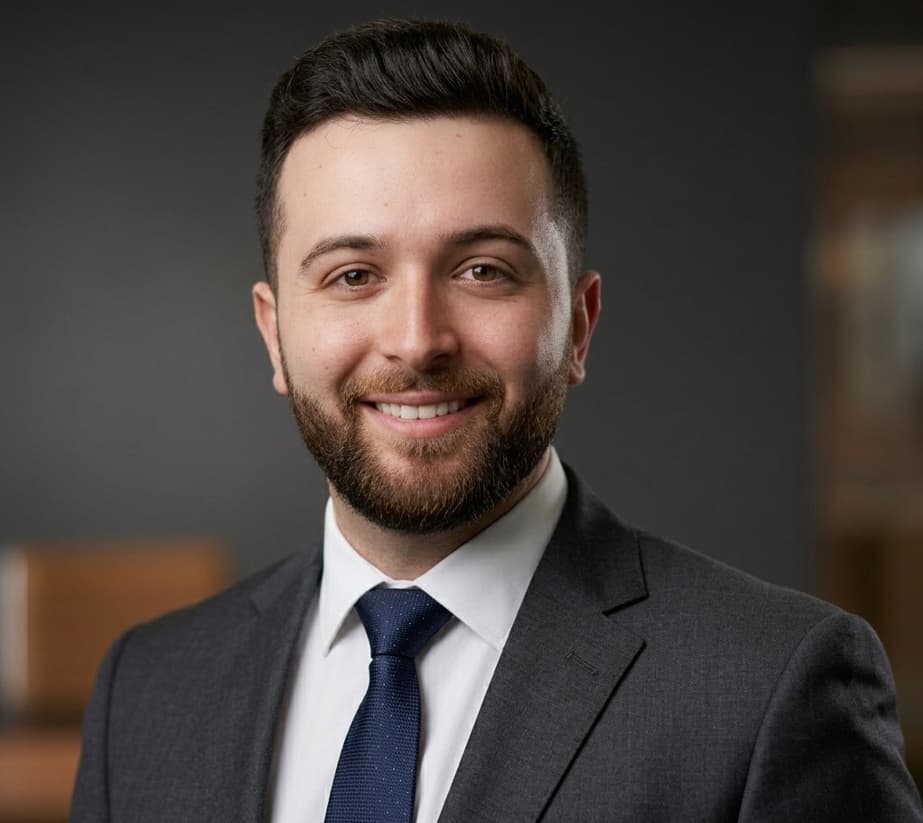
By Mo Abdel, NMLS #1426884 | Lumin Lending, NMLS #2716106 | Updated February 2026
Important Notice: This material is not provided by, nor was it approved by, the Department of Housing & Urban Development (HUD) or by the Federal Housing Administration (FHA). This is not a government agency publication.
Benefits Disclaimer: This information is for educational purposes only. Consult the Social Security Administration or Medicare directly for benefits questions. Mo Abdel is a mortgage professional, not a benefits counselor.
According to Mo Abdel, NMLS #1426884, Bay Area Peninsula homeowners aged 62 and older are sitting on some of the most valuable residential real estate in North America. With median home values ranging from $1.3 million in Campbell to $10.8 million in Atherton, Peninsula seniors hold extraordinary equity positions that a reverse mortgage can unlock without requiring a sale or monthly payments. "The Peninsula represents a unique HECM opportunity," Abdel explains. "Homeowners who purchased decades ago have millions in untapped equity, and the 2026 HECM limit of $1,209,750 still provides meaningful liquidity for retirement planning, healthcare, or generational wealth strategies."
City-by-City HECM Overview: All 15 Bay Area Peninsula & Silicon Valley Cities
The Bay Area Peninsula and Silicon Valley corridor stretches from Hillsborough in the north through San Jose in the south, encompassing 15 cities where homeowners have accumulated extraordinary equity. Every single city in this region has a median home value well above the 2026 FHA HECM lending limit of $1,209,750, making reverse mortgages a practical tool for seniors who want to remain in their homes while accessing a portion of their wealth.
As a licensed mortgage broker (NMLS #1426884) with wholesale access to multiple HECM lenders, I help Peninsula homeowners navigate both FHA-insured HECM and proprietary jumbo reverse mortgage options to maximize their available proceeds.
| City | Median Home Value | Est. HECM Amount* | Key Neighborhoods |
|---|---|---|---|
| Atherton | $10,800,000 | $575K-$690K | West Atherton, Lindenwood, Circus Club area |
| Los Altos Hills | $5,500,000 | $575K-$690K | Moody Road, Purissima Hills, Country Club area |
| Hillsborough | $5,000,000 | $575K-$690K | North Hillsborough, Carolands, West Hillsborough |
| Woodside | $5,000,000 | $575K-$690K | Central Woodside, Kings Mountain, Skyline area |
| Los Altos | $4,300,000 | $575K-$690K | Old Los Altos, Country Club, North Los Altos |
| Portola Valley | $4,000,000 | $575K-$690K | Central Portola Valley, Alpine Hills, Westridge |
| Palo Alto | $3,500,000 | $575K-$690K | Old Palo Alto, Crescent Park, Professorville, Barron Park |
| Saratoga | $3,300,000 | $575K-$690K | Saratoga Village, Monte Sereno border, Congress Springs |
| Cupertino | $2,500,000 | $575K-$690K | Rancho Rinconada, Monta Vista, Garden Gate |
| Los Gatos | $2,400,000 | $575K-$690K | Downtown Los Gatos, Blossom Hill, Shannon Road area |
| Mountain View | $2,000,000 | $575K-$690K | Old Mountain View, Cuesta Park, Waverly Park |
| Sunnyvale | $1,800,000 | $575K-$690K | Cherry Chase, Lakewood Village, Birdland |
| Santa Clara | $1,600,000 | $575K-$690K | Old Quad, Pomeroy Green, Washington Square |
| San Jose | $1,300,000 | $520K-$650K | Willow Glen, Almaden Valley, Rose Garden, Cambrian |
| Campbell | $1,300,000 | $520K-$650K | Downtown Campbell, Ainsley Park, San Tomas area |
*Estimated HECM amounts are approximate, based on a 72-year-old borrower at current interest rate levels. Actual amounts depend on age, rates, and appraised value (capped at $1,209,750 FHA limit). Proprietary products may provide higher proceeds.
Notice that even though home values vary dramatically across these 15 cities, the estimated HECM amounts cluster tightly because the FHA lending limit caps the calculation at $1,209,750. For homeowners in Atherton ($10.8M median) versus Campbell ($1.3M median), the standard HECM provides similar proceeds. This is precisely why proprietary jumbo reverse mortgages matter for high-value Peninsula properties.
HECM Qualification Requirements: 7 Steps to Approval
Qualifying for a reverse mortgage on the Bay Area Peninsula follows the same FHA framework used nationwide, but Peninsula homeowners face unique considerations related to property type, trust ownership, and high-value appraisals. Here are the seven steps from initial inquiry to funded loan:
- Age verification: At least one borrower must be 62 years or older. For married couples, the younger spouse can be listed as an Eligible Non-Borrowing Spouse for continued occupancy protection.
- HUD-approved counseling: Federal law requires completion of a counseling session with a HUD-approved reverse mortgage counselor. This session covers loan mechanics, alternatives, and long-term financial implications. The counseling certificate is valid for 180 days.
- Property eligibility: The home must be the borrower's primary residence. Eligible property types include single-family homes, FHA-approved condos, and 2-4 unit properties where the borrower occupies one unit. Most Peninsula single-family homes qualify without issue.
- Financial assessment: Lenders evaluate income, credit history, and financial obligations to determine your ability to pay property taxes, homeowner's insurance, and maintenance costs. There is no minimum credit score requirement for HECM, but significant derogatory credit may require a Life Expectancy Set-Aside (LESA).
- Property appraisal: An FHA-approved appraiser determines the home's value. For Peninsula properties, this appraisal caps at the HECM limit for standard HECM calculations. Ultra-luxury homes may require specialized appraisers familiar with estate-level properties.
- Underwriting and approval: The lender reviews all documentation, verifies eligibility, and issues a conditional approval. Peninsula-specific considerations include trust review (many local homeowners hold property in revocable living trusts) and HOA verification for condo properties.
- Closing and disbursement: After a mandatory 3-day right of rescission, funds are disbursed according to the chosen payout plan. Existing mortgages or liens are paid off first, with remaining proceeds available to the borrower.
Reverse Mortgage Payout Options Compared
HECM borrowers choose from several payout structures, each suited to different retirement planning needs. Peninsula homeowners often combine options for maximum flexibility.
| Payout Option | How It Works | Best For | Rate Type |
|---|---|---|---|
| Lump Sum | Full available amount at closing | Paying off existing mortgage, large expenses | Fixed rate only |
| Tenure | Equal monthly payments for life | Supplementing retirement income consistently | Adjustable rate |
| Term | Equal monthly payments for a set period | Bridging income gap until Social Security or pension | Adjustable rate |
| Line of Credit | Draw funds as needed; unused balance grows | Emergency fund, flexible access, growth feature | Adjustable rate |
| Modified Tenure | Monthly payments + line of credit | Steady income with emergency flexibility | Adjustable rate |
| Modified Term | Fixed-period payments + line of credit | Short-term income bridge with reserve access | Adjustable rate |
Pro tip from Mo Abdel, NMLS #1426884: The line of credit option includes a growth feature where your unused credit line increases over time, regardless of home value changes. For Peninsula homeowners who do not need immediate cash, opening a HECM line of credit early can significantly increase available funds in later years. This strategy is particularly popular among financially comfortable Peninsula retirees who view the HECM as a safety net rather than an immediate income source.
Bay Area Peninsula Regional Market Overview: Why Seniors Here Are Uniquely Positioned
The Bay Area Peninsula occupies one of the most economically dynamic corridors in the world. Stretching from San Mateo County south through Santa Clara County, this region is home to Stanford University, Sand Hill Road's venture capital hub, and the headquarters of dozens of Fortune 500 technology companies including Apple, Google, Meta, and Tesla. This concentration of innovation and wealth has driven residential real estate values to levels found nowhere else in the United States outside Manhattan.
For homeowners aged 62 and older, the Peninsula represents a paradox: they own extraordinarily valuable properties but may face retirement cash flow challenges typical of high-cost regions. Property taxes (even with Prop 13 protections), healthcare costs, home maintenance on aging properties, and daily living expenses in one of America's most expensive metro areas can strain fixed incomes. A reverse mortgage addresses this imbalance by converting locked equity into usable funds without requiring a sale.
| Metric | 2024 | 2025 | 2026 (Current) |
|---|---|---|---|
| Peninsula Median Home Value | $2.8M | $3.1M | $3.3M |
| Year-over-Year Appreciation | 6.2% | 10.7% | 6.5% |
| FHA HECM Lending Limit | $1,089,300 | $1,209,750 | $1,209,750 |
| Avg. Days on Market | 18 | 14 | 16 |
| % Homeowners Age 62+ | 22% | 23% | 24% |
Economic Drivers Supporting Peninsula Home Values
Three structural factors ensure Peninsula home values remain among the highest in the nation, making reverse mortgages here especially valuable as a long-term financial tool:
- Technology employment concentration: Apple, Google, Meta, NVIDIA, and hundreds of startups headquartered within a 20-mile radius create sustained housing demand. Tech sector employment in Santa Clara County alone exceeds 400,000 workers, and remote work has not reduced Peninsula property desirability for senior executives who value proximity to headquarters.
- Stanford University and research institutions: Stanford's presence anchors Palo Alto and surrounding communities with academic, medical, and research employment. Stanford Medical Center, the SLAC National Accelerator Laboratory, and the Stanford Research Park contribute to a knowledge economy that supports property values independent of any single company's performance.
- Venture capital and wealth creation: Sand Hill Road in Menlo Park remains the global epicenter of venture capital. The concentration of investment firms, angel investors, and startup founders creates a self-reinforcing wealth cycle that continually drives demand for Peninsula real estate. Home purchases with all-cash offers routinely exceed 40% of transactions in cities like Atherton and Palo Alto.
Market insight from Mo Abdel, NMLS #1426884: Peninsula homeowners who purchased their properties 15 to 30 years ago have seen values increase by 200% to 500%. A home bought for $800,000 in 2000 may now be worth $3 million to $5 million. This appreciation represents locked wealth that a reverse mortgage can partially unlock without triggering capital gains taxes or requiring a sale.
Why Peninsula Seniors Are Uniquely Positioned for HECM
Several demographic and financial factors make the Bay Area Peninsula an ideal market for reverse mortgages:
- Long-term ownership: Many seniors purchased 20-40 years ago at a fraction of current values, resulting in 80-95% equity positions
- High cost of living: Peninsula living expenses average 89% above the national median, creating real cash flow needs even for asset-rich retirees
- Property tax burden: Even with Prop 13 base-year assessments, supplemental taxes and special assessments can exceed $15,000-$30,000 annually for reassessed properties
- Estate planning sophistication: Peninsula homeowners commonly use living trusts, which are compatible with HECM eligibility
- Desire to age in place: Strong community ties, excellent healthcare access at Stanford Medical Center, and established social networks motivate seniors to remain in their homes
Hub Preview: Ultra-Luxury Peninsula — Atherton, Hillsborough, Woodside, Portola Valley & Los Altos Hills
Hub CA-SV-A | Median Values: $4M-$10.8M | Focus: Estate Financing & Generational Wealth
The ultra-luxury Peninsula corridor represents the highest concentration of residential wealth in the Western United States. Atherton consistently ranks as America's most expensive ZIP code, with median home values exceeding $10 million. Hillsborough, Woodside, Portola Valley, and Los Altos Hills each maintain medians between $4 million and $5.5 million, with individual properties routinely selling for $15 million to $30 million.
For seniors in these communities, reverse mortgage planning intersects with estate financing, trust ownership structures, and generational wealth preservation. The standard FHA HECM provides a baseline of liquidity, but proprietary jumbo reverse mortgage products are often more relevant given property values that exceed the FHA limit by 4x to 10x. Key considerations for this hub include:
- Trust compatibility: Nearly 90% of homes in Atherton and Hillsborough are held in trusts. HECM allows revocable living trusts that meet FHA guidelines.
- Estate preservation: A reverse mortgage lets seniors access funds without liquidating the family estate, preserving the property for heirs while providing current income.
- Proprietary products: For a $10M Atherton estate, a proprietary reverse mortgage can provide $2M-$4M in proceeds versus the HECM cap of approximately $690K.
- Property appraisal complexity: Ultra-luxury appraisals require certified appraisers experienced with estate properties, equestrian facilities, and significant acreage.
Read the full California Reverse Mortgage Guide for statewide HECM requirements that apply to ultra-luxury Peninsula properties.
Hub Preview: Premium Silicon Valley — Palo Alto, Los Altos, Saratoga, Los Gatos & Cupertino
Hub CA-SV-B | Median Values: $2.4M-$4.3M | Focus: Tech Executive Retirement & Equity Optimization
The premium Silicon Valley hub encompasses cities where retired and semi-retired tech executives, Stanford faculty, and long-tenured professionals own homes valued between $2.4 million and $4.3 million. These homeowners represent a sophisticated demographic that views the reverse mortgage not as a necessity but as a strategic financial instrument within a broader retirement portfolio.
Palo Alto's proximity to Stanford and Sand Hill Road makes it the intellectual and financial heart of Silicon Valley. Los Altos and Saratoga attract families who purchased during earlier market cycles and now hold millions in home equity. Los Gatos and Cupertino round out this hub with strong school districts and walkable downtowns that support aging in place. Key considerations for this hub include:
- Retired tech executive profiles: Former VPs and C-suite executives with substantial stock portfolios may use HECM line of credit as a tax-efficient liquidity source, avoiding capital gains from selling appreciated stock.
- Stanford faculty retirement: Tenured professors who purchased near campus 20-30 years ago hold 85-95% equity. HECM supplemental income allows continued Palo Alto residency without downsizing.
- Line of credit growth strategy: Financially comfortable seniors in this hub favor the growing line of credit for long-term financial optionality rather than immediate cash needs.
- Condo eligibility: Palo Alto and Cupertino have significant condo inventory where seniors may downsize. FHA condo approval is required for HECM eligibility on these units.
Broker insight, Mo Abdel, NMLS #1426884: Many Premium Silicon Valley homeowners tell me they do not "need" a reverse mortgage, but once they understand the line of credit growth feature, they recognize it as a powerful financial planning tool. Opening a HECM line of credit at 62 and letting it grow untouched for 10 years can nearly double the available credit.
Hub Preview: Tech Corridor — Mountain View, Sunnyvale, San Jose, Santa Clara & Campbell
Hub CA-SV-C | Median Values: $1.3M-$2M | Focus: First-Generation Homeowner Retirement & Equity Access
The Tech Corridor hub represents the working backbone of Silicon Valley, where long-tenured tech employees, small business owners, and first-generation homeowners have built substantial equity over decades. Mountain View (home to Google), Sunnyvale (home to LinkedIn and Yahoo), and San Jose (the largest city in the Bay Area) anchor a corridor where median values range from $1.3 million to $2 million.
Unlike the ultra-luxury and premium hubs, Tech Corridor homeowners are more likely to rely on a reverse mortgage for genuine retirement income supplementation. Many purchased homes in the $300,000 to $600,000 range during the 1990s and early 2000s, and now hold $800,000 to $1.5 million in equity. The standard FHA HECM is a strong fit here because property values are closer to the lending limit, maximizing the percentage of equity accessible. Key considerations for this hub include:
- Maximum HECM utilization: With values closer to the $1,209,750 FHA limit, Tech Corridor homeowners access a larger percentage of their equity through standard HECM compared to ultra-luxury peers.
- Diverse property types: Single-family homes, condos, and townhomes across all five cities. Condo FHA approval status varies and should be verified early in the process.
- Cultural diversity considerations: San Jose and Santa Clara have large Vietnamese, Chinese, and Indian-American senior populations who benefit from multilingual counseling services.
- Existing mortgage payoff: More homeowners in this hub carry remaining mortgage balances that the HECM can eliminate, immediately improving monthly cash flow by removing mortgage payments.
For a comprehensive overview of how wholesale broker access benefits all three Peninsula hubs, see the Wholesale Mortgage Broker Bay Area Peninsula guide.
Mo's Wholesale Advantage for Peninsula HECM Borrowers
As a wholesale mortgage broker licensed under NMLS #1426884 and operating through Lumin Lending (NMLS #2716106), I provide Bay Area Peninsula homeowners with a fundamentally different reverse mortgage experience compared to retail banks or direct-to-consumer HECM lenders. The wholesale model gives my clients access to multiple HECM originators and proprietary reverse mortgage providers simultaneously, ensuring the most competitive terms available in the market.
The Peninsula HECM market has specific challenges that wholesale access addresses directly:
- Multiple HECM lender comparison: Rather than accepting a single bank's HECM terms, I shop 5-10+ HECM lenders to find the lowest margin, lowest origination fee, and most favorable principal limit factors for your specific age and property.
- Proprietary product access: For homes valued above $2M, I access proprietary jumbo reverse mortgage programs that retail banks do not offer. These products can provide 2-4x the proceeds of a standard HECM.
- Trust and estate expertise: Peninsula properties frequently involve complex ownership structures. I work with lenders experienced in reviewing trust documents, ensuring smooth underwriting.
- Appraisal management: I coordinate with appraisers who specialize in high-value Peninsula properties, avoiding undervaluation that can reduce HECM proceeds.
Case Scenario 1: Atherton Estate Owner, Age 74
Profile: Margaret, 74, owns a 5-bedroom Atherton estate valued at $8.5 million, held in a family revocable living trust. Her husband passed away three years ago. She has no mortgage but faces $45,000 in annual property taxes, $18,000 in home maintenance, and wants to help her two grandchildren with private university tuition.
Challenge: Margaret's investment portfolio generates sufficient income for daily expenses, but she wants to avoid selling stocks during a market downturn to fund the $200,000+ in tuition commitments over the next four years.
Solution: Through wholesale access, Mo secures a proprietary jumbo reverse mortgage with a line of credit providing $1.8 million in available funds. Margaret draws $50,000 per semester for tuition, preserving her investment portfolio. The trust ownership is confirmed compatible with the proprietary lender's requirements. No monthly payments are required, and the loan balance is a fraction of her property value.
Wholesale advantage: A retail bank offered only the standard HECM ($680K maximum). Mo's proprietary access provided $1.8 million — 2.6x more proceeds through a single application process.
Case Scenario 2: Retired Google Engineer in Mountain View, Age 67
Profile: David, 67, retired from Google in 2024. He owns a 3-bedroom home in Old Mountain View, purchased in 2005 for $750,000, now valued at $2.1 million. He has a remaining mortgage balance of $180,000 and receives Social Security plus a modest pension. His Google stock is in a taxable brokerage account.
Challenge: David's monthly mortgage payment of $1,800 represents 30% of his fixed retirement income. He wants to eliminate this payment and establish an emergency fund without selling appreciated Google stock (which would trigger significant capital gains taxes).
Solution: Mo structures a HECM with a modified tenure plan. The reverse mortgage pays off David's $180,000 existing mortgage at closing (eliminating the $1,800 monthly payment), establishes a $150,000 line of credit for emergencies, and provides $800/month in tenure payments for supplemental income. Total first-year benefit: $21,600 in eliminated payments plus $9,600 in new income.
Wholesale advantage: Mo compared HECM terms from seven lenders. The winning lender offered a margin 0.50% lower than the first lender quoted, resulting in approximately $35,000 more in available proceeds over the life of the loan.
These scenarios illustrate a core principle of Peninsula reverse mortgage planning: the right product and lender selection dramatically impacts outcomes. A wholesale broker who understands both FHA HECM and proprietary programs can match the specific financial situation to the optimal product structure.
For homeowners exploring equity access beyond reverse mortgages, see the Home Equity Bay Area Peninsula Guide covering HELOC, HELOAN, and cash-out refinance options.
Frequently Asked Questions: Reverse Mortgages on the Bay Area Peninsula
What is the maximum HECM amount for a Bay Area Peninsula home?
The 2026 FHA HECM lending limit is $1,209,750 nationwide. Because most Peninsula homes far exceed this value, borrowers typically access only a fraction of their total equity through HECM. Proprietary jumbo reverse mortgage products can reach higher amounts for homes valued above $2 million.
Can I get a reverse mortgage on my Atherton estate valued at $10 million?
Yes. While the standard FHA HECM caps at $1,209,750, proprietary reverse mortgage programs exist for ultra-luxury properties. These private jumbo reverse mortgages provide substantially higher proceeds based on appraised value, though terms differ from FHA-insured HECMs.
How does a reverse mortgage work if my Peninsula home is held in a living trust?
HECM loans allow homes held in revocable living trusts. The trust must meet FHA requirements, including provisions that the borrower retains the right to occupy the property. Many Peninsula homeowners use trusts for estate planning, and this does not disqualify them from HECM eligibility.
Do I need to pay off my existing mortgage before getting a reverse mortgage?
No. The reverse mortgage proceeds pay off the current mortgage balance at closing, and any remaining funds become available to you. This eliminates your monthly mortgage payment going forward, which is one of the most common reasons Peninsula homeowners pursue HECM.
Will a reverse mortgage affect my Social Security or Medicare benefits?
Reverse mortgage proceeds do not affect Social Security or Medicare benefits because they are loan advances, not income. However, need-based programs like Medi-Cal may be affected if you retain large cash balances. Consult a financial advisor for guidance specific to your situation.
What happens to my reverse mortgage when I pass away?
Your heirs have options: sell the home and keep any equity above the loan balance, refinance the reverse mortgage into a traditional mortgage to keep the home, or walk away if the loan balance exceeds the home value (FHA insurance covers the difference). Heirs are never responsible for more than the home's value.
Are reverse mortgage interest rates higher than traditional mortgages?
HECM rates are generally comparable to traditional mortgage rates. Both fixed and adjustable rate options exist. Working with a wholesale broker gives you access to multiple HECM lenders, ensuring competitive rate options rather than being limited to a single institution's offering.
Can I use reverse mortgage proceeds for anything I want?
Yes. There are no restrictions on how you use HECM proceeds. Common uses among Peninsula homeowners include supplementing retirement income, covering healthcare expenses, funding home renovations, helping grandchildren with education costs, or maintaining their lifestyle without selling their home.
How long does the reverse mortgage process take for Peninsula properties?
The typical HECM timeline is 30 to 45 days from application to closing. This includes mandatory HUD counseling, property appraisal, and underwriting. Ultra-luxury Peninsula properties may require specialized appraisers, adding 5 to 10 days to the process.
Is HUD counseling required for California reverse mortgages?
Yes. FHA requires all HECM applicants to complete counseling with a HUD-approved counselor before submitting an application. The session covers reverse mortgage mechanics, alternatives, and financial implications. Counseling can be completed by phone or in person and is valid for 180 days.
What is the difference between HECM and proprietary reverse mortgages?
HECM is the FHA-insured program with a $1,209,750 lending limit, non-recourse protection, and standardized terms. Proprietary (jumbo) reverse mortgages are offered by private lenders with higher lending limits, no FHA insurance, and varying terms. For Peninsula homes valued above $2M, proprietary products often provide greater proceeds.
Can I get a reverse mortgage on a condo in Palo Alto or Mountain View?
Yes, condos are eligible for HECM loans provided the condo project is FHA-approved or meets single-unit approval guidelines. Many Peninsula condo communities already have FHA approval. A wholesale broker can verify eligibility and pursue approval if needed.
How much equity do I need to qualify for a reverse mortgage?
There is no fixed equity percentage requirement. The amount you can borrow depends on your age, current interest rates, and appraised home value (up to the FHA limit). Generally, borrowers with more equity receive larger proceeds. Most Peninsula homeowners have substantial equity given property values.
Why should I work with a wholesale broker for my reverse mortgage?
A wholesale broker shops multiple HECM and proprietary reverse mortgage lenders simultaneously, ensuring competitive rates and terms. Retail banks offer only their own products. For Peninsula homeowners with high-value properties, broker access to proprietary programs provides meaningfully greater proceeds and more flexible terms.
Expert Summary: Your Next Step for Peninsula Reverse Mortgage Planning
The Bay Area Peninsula and Silicon Valley represent one of the strongest reverse mortgage markets in the nation. Homeowners aged 62 and older across all 15 cities — from Atherton's $10.8 million estates to Campbell's $1.3 million family homes — hold equity positions that a reverse mortgage can convert into retirement income, emergency reserves, or generational wealth tools without requiring a sale, monthly payments, or tax consequences on the proceeds.
Whether you need a standard FHA HECM or a proprietary jumbo reverse mortgage for a high-value property, working with a wholesale broker ensures you compare options from multiple lenders rather than accepting a single institution's terms. The difference in proceeds, rates, and fees between lenders is significant and directly impacts your financial outcomes.
Ready to Explore Your Peninsula Reverse Mortgage Options?
Contact Mo Abdel for a confidential reverse mortgage consultation. I serve all 15 Bay Area Peninsula and Silicon Valley cities with wholesale access to multiple HECM and proprietary reverse mortgage lenders.
- Phone: (949) 579-2057
- NMLS: #1426884 | Lumin Lending NMLS #2716106
- Service Area: Atherton, Hillsborough, Woodside, Portola Valley, Los Altos Hills, Palo Alto, Los Altos, Saratoga, Los Gatos, Cupertino, Mountain View, Sunnyvale, San Jose, Santa Clara, Campbell
Related guides: California Reverse Mortgage Guide 2026 | Home Equity Bay Area Peninsula Guide | Wholesale Mortgage Broker Bay Area Peninsula