Reverse Mortgage Inland Empire Affluent: Rancho Cucamonga, Chino Hills, Claremont, Redlands & Upland [2026]
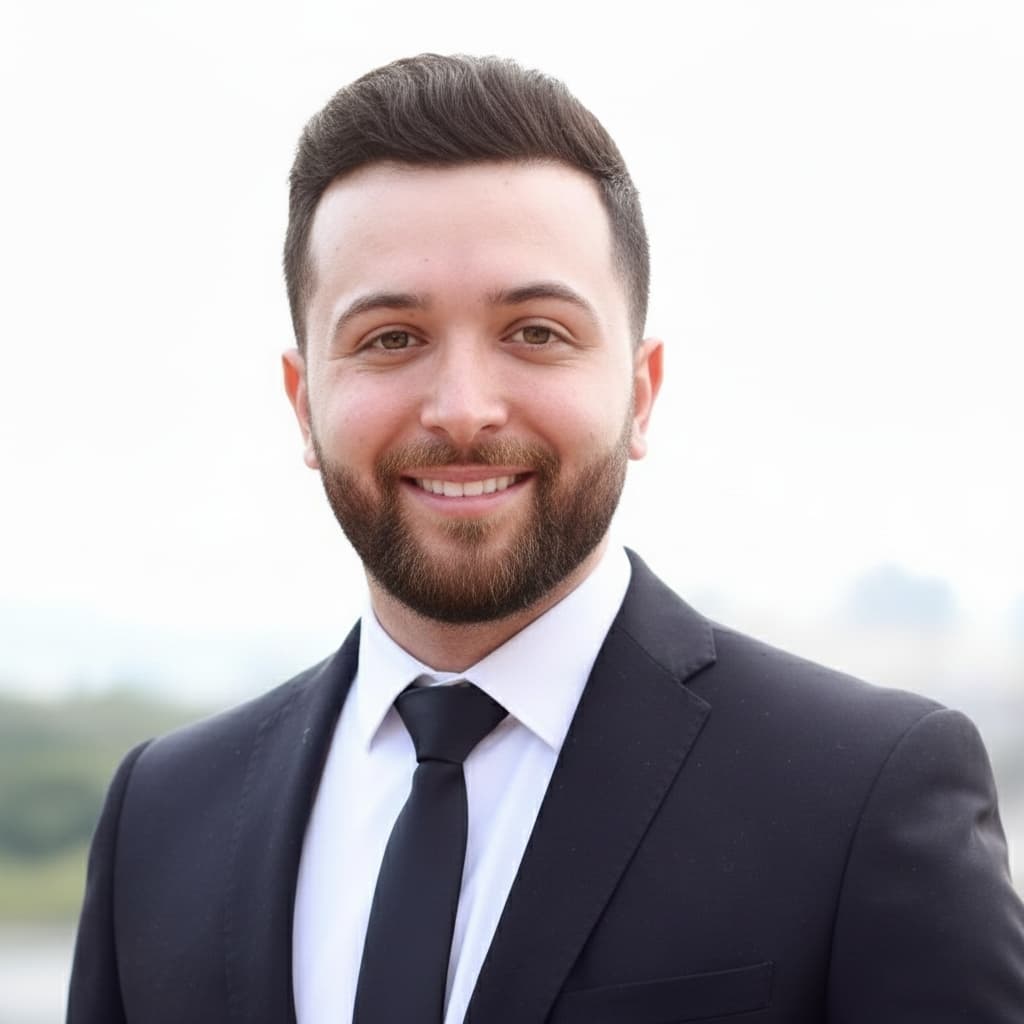
By Mo Abdel, NMLS #1426884 | Lumin Lending, NMLS #2716106 | Published February 13, 2026
Benefits Disclaimer: This information is for educational purposes only. Consult the Social Security Administration or Medicare directly for benefits questions. Mo Abdel is a mortgage professional, not a benefits counselor.
"The Inland Empire's affluent Foothill Corridor from Claremont through Rancho Cucamonga to Redlands is one of California's most underserved reverse mortgage markets. These are homeowners who purchased 20 to 35 years ago when Alta Loma wine country homes cost $250,000 and Claremont Village craftsman bungalows were $180,000. Today those same properties carry median values of $700,000 to $1 million. Retired educators, aerospace workers, Esri professionals, and Claremont Colleges faculty tell me they want to stay in the communities they helped build. A reverse mortgage makes that possible by converting their home equity into retirement income without a monthly payment, without selling, and without losing their Prop 13 tax base."
— Mo Abdel, Licensed Mortgage Broker, NMLS #1426884
What This Inland Empire Reverse Mortgage Guide Covers
- IE Affluent Market Overview & Mega-Table
- HECM vs. Proprietary Payout Comparison
- Rancho Cucamonga: Alta Loma Wine Heritage & Victoria Gardens
- Chino Hills: Top Schools & Rolling Hills Gateway
- Claremont: College Town & Historic Craftsman Village
- Redlands: Victorian Architecture & Esri Headquarters
- Upland: Foothill Boulevard Corridor & Mt. Baldy Access
- E-E-A-T: Why IE Seniors Benefit from Reverse Mortgages
- Data Hub: Equity Positions & Program Fit
- People Also Ask
- Frequently Asked Questions
- Expert Summary & Next Steps
Inland Empire Affluent Communities: Reverse Mortgage Market Overview
The Inland Empire's affluent Foothill Corridor runs along the base of the San Gabriel Mountains from Claremont on the LA County border eastward through Upland, Rancho Cucamonga, and beyond to Redlands. This corridor has historically attracted professionals who work in both the IE and Los Angeles, leveraging the 210 and 10 freeways and Ontario International Airport for commute flexibility while enjoying larger lots, better schools, and more affordable homeownership than equivalent LA neighborhoods. Chino Hills adds a southern anchor with its rolling terrain and top-rated Chino Valley Unified School District.
According to the Consumer Financial Protection Bureau, reverse mortgage borrowers in appreciating markets like the Inland Empire benefit from equity growth that maintains strong loan-to-value positions over the life of the loan. The 2026 FHA HECM lending limit of $1,209,750 comfortably serves all properties in this corridor, as median values range from $700,000 in Redlands to $1 million in Rancho Cucamonga.
| City | Median Home Value | Key Neighborhoods | Primary Senior Profile | Best Reverse Mortgage Program |
|---|---|---|---|---|
| Rancho Cucamonga | $1.0M | Alta Loma, Victoria Gardens, Etiwanda | LA commuters, educators, wine country retirees | HECM |
| Chino Hills | $900K | The Preserve, Rolling Ridge, Woodview | OC/LA commuters, CVUSD families, professionals | HECM |
| Claremont | $900K | Claremont Village, Padua Hills, Claraboya | Claremont Colleges faculty, educators, professionals | HECM |
| Redlands | $700K | Smiley Heights, Downtown, University District | Esri employees, University of Redlands, educators | HECM |
| Upland | $750K | North Upland, Foothill Corridor, San Antonio Heights | Longtime residents, Mt. Baldy community, professionals | HECM |
HECM vs. Proprietary Reverse Mortgage Payout Comparison
The Inland Empire's affluent corridor is predominantly a HECM market. With median values ranging from $700,000 to $1 million, all properties fall within the $1,209,750 HECM lending limit. This means FHA-insured reverse mortgages with their full range of payout options, line of credit growth features, and government-backed non-recourse protections are available to every qualified senior in these communities.
| Feature | FHA HECM | Proprietary (Jumbo) |
|---|---|---|
| Max Property Value Basis | $1,209,750 | $4M+ |
| Minimum Age | 62 | 62 (some programs 55+) |
| FHA Mortgage Insurance | 2% upfront + 0.5% annual | None |
| Payout Options | Lump sum, line of credit, tenure, term, combination | Lump sum, line of credit (varies) |
| Line of Credit Growth | Yes (unused balance grows) | Varies by program |
| Non-Recourse Protection | Yes (FHA-guaranteed) | Yes (most programs) |
| HUD Counseling Required | Yes | Varies (recommended) |
| Best For in Inland Empire | All IE affluent communities | Select Alta Loma/San Antonio Heights estates above $1.15M |
Estimated HECM Proceeds by Age (Based on $900K Property, No Existing Mortgage)
| Borrower Age | Est. Principal Limit | Est. Available Proceeds | Monthly Tenure Payment |
|---|---|---|---|
| 62 | $360,000 | $332,000 | $1,510 |
| 67 | $410,000 | $382,000 | $1,840 |
| 72 | $468,000 | $438,000 | $2,300 |
| 77 | $527,000 | $495,000 | $2,880 |
| 82 | $585,000 | $553,000 | $3,620 |
Estimates based on current HECM rates and 2026 principal limit factors. Actual amounts vary based on interest rates, appraised value, and mandatory obligations. Consult for personalized calculations.
Rancho Cucamonga: Alta Loma Wine Heritage & Victoria Gardens — $1.0M Median
Rancho Cucamonga carries a winemaking heritage that predates the Napa Valley's modern era. The Alta Loma neighborhood, nestled against the San Gabriel Mountain foothills in the city's northern reaches, was the center of Southern California's grape-growing industry in the late 1800s and early 1900s. Today, Alta Loma retains its character through larger lots, mature landscaping, and a semi-rural feel that distinguishes it from the newer master-planned developments to the south. Victoria Gardens, the city's outdoor lifestyle center, provides walkable shopping, dining, and entertainment that has become a community gathering point.
At $1.0 million median, Rancho Cucamonga properties fall within the HECM lending limit. Long-term Alta Loma residents who purchased during the 1980s and early 1990s for $150,000 to $250,000 have accumulated $750,000 to $850,000 in equity. The proximity to Ontario International Airport and the 210 freeway attracted aerospace, logistics, and professional services workers throughout the 1990s and 2000s, creating a deep pool of now-retired homeowners with substantial equity and pension or 401(k) income.
| Neighborhood | Typical Values | Est. Equity (25+ yr owner) | Best Program |
|---|---|---|---|
| Alta Loma | $950K–$1.4M | $700K–$1.2M | HECM |
| Victoria Gardens Area | $800K–$1.1M | $550K–$850K | HECM |
| Etiwanda | $750K–$1M | $500K–$800K | HECM |
Rancho Cucamonga Reverse Mortgage Insight
Alta Loma's larger lots and semi-rural character do not create reverse mortgage complications. Properties with half-acre to one-acre lots qualify for HECM without issue, and experienced appraisers value the lot premium that Alta Loma's foothill location commands. Ontario International Airport's continued growth has driven demand for nearby housing, supporting property values that underpin strong reverse mortgage equity positions. A 72-year-old Alta Loma homeowner with a paid-off $1 million home can access approximately $490,000 in HECM proceeds through a line of credit, lump sum, or monthly tenure payments of $2,550 per month for life.
Chino Hills: Top-Rated Schools & Rolling Hills Gateway — $900K Median
Chino Hills occupies a unique geographic position at the intersection of San Bernardino, Los Angeles, and Orange counties, giving residents access to employment centers in all three regions while enjoying a community defined by its rolling terrain, parks, and the consistently top-rated Chino Valley Unified School District. The city's master-planned neighborhoods—The Preserve, Rolling Ridge, and Woodview—were developed primarily during the 1990s and 2000s, attracting families who chose Chino Hills for its school quality and relative affordability compared to adjacent Orange County communities.
At $900,000 median, all Chino Hills properties fall within the HECM lending limit. The city's first-generation homeowners are now reaching retirement age, creating a growing reverse mortgage market. These are professionals who commuted to jobs in Irvine, Ontario, downtown LA, and the San Gabriel Valley throughout their careers, purchasing $350,000 to $500,000 homes in the late 1990s and early 2000s that are now worth $800,000 to $1.1 million. The Preserve, Chino Hills' most premium neighborhood, features larger lots and mountain views.
| Neighborhood | Typical Values | Est. Equity (20+ yr owner) | Best Program |
|---|---|---|---|
| The Preserve | $1M–$1.4M | $650K–$1M | HECM |
| Rolling Ridge | $850K–$1.1M | $500K–$750K | HECM |
| Woodview | $800K–$1M | $450K–$650K | HECM |
Chino Hills Reverse Mortgage Insight
Chino Hills' tri-county position provides a reverse mortgage advantage that many homeowners overlook: the property's value benefits from demand across three county employment centers, reducing vulnerability to any single economic sector. Chino Valley Unified's school reputation continues to attract buyers, supporting appreciation even during broader market softening. For retiring professionals who commuted to Orange County or LA, a reverse mortgage replaces commute-era income with loan proceeds (generally not considered taxable income) equity access. A 72-year-old Chino Hills homeowner with a paid-off $900,000 home can access approximately $438,000 in HECM proceeds.
Claremont: Claremont Colleges & Historic Craftsman Village — $900K Median
Claremont is the Inland Empire's intellectual capital, home to the Claremont Colleges consortium—five undergraduate colleges (Pomona, Claremont McKenna, Scripps, Harvey Mudd, Pitzer) and two graduate institutions (Claremont Graduate University, Keck Graduate Institute)—that together create a small-town university atmosphere unique in Southern California. The Claremont Village, a walkable downtown district of independent bookstores, galleries, cafes, and restaurants, anchors the community. Historic craftsman and Spanish Revival homes line tree-canopied streets that earned Claremont the designation "City of Trees."
At $900,000 median, Claremont properties fall within the HECM lending limit. The Claremont Colleges attract faculty and administrators who purchase homes near campus and remain for entire careers, creating a population of deeply rooted senior homeowners. A professor who joined Pomona College in 1990 and purchased a Village craftsman for $180,000 now holds a property worth $850,000 to $1.1 million—representing $670,000 to $920,000 in equity. The Padua Hills neighborhood offers larger lots and foothill views, while Claraboya provides a quieter residential setting north of the Village.
| Neighborhood | Typical Values | Est. Equity (25+ yr owner) | Best Program |
|---|---|---|---|
| Claremont Village | $850K–$1.3M | $650K–$1.1M | HECM |
| Padua Hills | $1M–$1.5M | $800K–$1.3M | HECM |
| Claraboya | $900K–$1.2M | $700K–$1M | HECM |
Claremont Reverse Mortgage Insight
Claremont's walkable Village and proximity to the Claremont Colleges create an exceptional aging-in-place environment. Retired faculty and staff can walk to restaurants, bookstores, the library, and campus events without driving. TIAA-CREF retirement accounts and university pension programs provide the stable, documented income that the HECM financial assessment requires. A reverse mortgage allows retired professors to access home equity without leaving the intellectual community they helped build. The Village's historic craftsman homes command premiums for their character and walkability, translating into strong appraisals that maximize reverse mortgage proceeds.
Redlands: Victorian Architecture & Esri Headquarters — $700K Median
Redlands is the Inland Empire's most architecturally distinguished city, with a collection of Victorian, Queen Anne, and Craftsman homes concentrated in the historic Smiley Heights neighborhood that rivals any small city in California for preservation quality. The city is also home to Esri, the world's largest geographic information systems (GIS) company, which employs approximately 4,500 people at its sprawling campus near downtown. The University of Redlands adds an academic dimension, while the historic downtown along State Street and Orange Street maintains a walkable, small-town charm.
At $700,000 median, Redlands offers the most accessible entry point in the IE affluent corridor. All properties fall well within the HECM lending limit. Esri retirees and University of Redlands faculty represent the primary reverse mortgage candidate base—professionals who earned stable incomes throughout their careers and purchased homes in the Smiley Heights, downtown, or University District neighborhoods for $150,000 to $300,000 during the 1980s and 1990s. These homeowners have accumulated $400,000 to $550,000 in equity that a reverse mortgage converts into retirement resources.
| Neighborhood | Typical Values | Est. Equity (25+ yr owner) | Best Program |
|---|---|---|---|
| Smiley Heights | $800K–$1.3M | $600K–$1.1M | HECM |
| Downtown / State Street | $600K–$850K | $400K–$650K | HECM |
| University District | $650K–$900K | $450K–$700K | HECM |
Redlands Reverse Mortgage Insight
Redlands' historic homes present one important reverse mortgage consideration: the FHA appraisal must confirm the property meets HUD minimum property standards. Victorian and Queen Anne homes that have been properly maintained qualify without issue. Deferred maintenance items like roof, plumbing, or electrical may need to be addressed before closing, but repair requirements can often be funded through the reverse mortgage proceeds themselves using a HECM for Purchase or repair set-aside. Esri's continued growth in Redlands supports stable property demand that protects equity positions over the life of a reverse mortgage.
Upland: Foothill Boulevard Corridor & Mt. Baldy Access — $750K Median
Upland straddles the historic Route 66 corridor along Foothill Boulevard, a tree-lined thoroughfare that connects the Inland Empire's foothill communities from Claremont through Rancho Cucamonga. The city's northern boundary rises into the San Gabriel Mountains, with San Antonio Heights providing unincorporated foothill properties with panoramic views and Mt. Baldy ski resort access. Downtown Upland has experienced a revitalization with new restaurants, breweries, and mixed-use developments that are attracting renewed interest in the city's established neighborhoods.
At $750,000 median, all Upland properties fall within the HECM lending limit. The city's senior population includes longtime residents who purchased along Foothill Boulevard and in North Upland during the 1980s and 1990s for $120,000 to $200,000, building $550,000 to $600,000 in equity over three decades. San Antonio Heights residents, while technically in unincorporated San Bernardino County, use Upland as their community center and benefit from larger lots and mountain proximity that add value to their properties.
| Neighborhood | Typical Values | Est. Equity (25+ yr owner) | Best Program |
|---|---|---|---|
| North Upland | $750K–$1M | $550K–$800K | HECM |
| Foothill Corridor | $650K–$900K | $450K–$700K | HECM |
| San Antonio Heights | $900K–$1.5M | $700K–$1.3M | HECM |
Upland Reverse Mortgage Insight
Upland's downtown revitalization is creating a walkable environment that enhances aging-in-place viability for seniors in the Foothill Corridor. New restaurants, a craft brewery district, and mixed-use developments along Foothill Boulevard provide the amenities that allow seniors to reduce car dependence. San Antonio Heights properties with mountain views and larger lots appraise well for reverse mortgage purposes, as the unincorporated community's exclusivity and privacy command premiums. A 72-year-old Upland homeowner with a paid-off $750,000 home can access approximately $365,000 in HECM proceeds through a growing line of credit or monthly tenure payments of $1,920 per month for life.
Why Inland Empire Seniors Benefit from Working with a Reverse Mortgage Specialist
The Inland Empire's affluent corridor presents three specific reverse mortgage dynamics that require specialist knowledge:
Dynamic 1: LA/OC Commuter Retirement Transition. The Inland Empire's affluent communities were built by professionals who commuted to jobs in Los Angeles, Orange County, and the San Gabriel Valley. These homeowners earned LA/OC salaries while enjoying IE home prices—a combination that created strong equity positions over 20 to 30 years. As these commuters retire, they face a fundamental income transition: replacing $100,000+ annual salaries with Social Security, pension, and investment income. A reverse mortgage fills this gap by converting their $400,000 to $800,000 in accumulated equity into monthly payments or a growing line of credit that supplements retirement income loan proceeds.
Dynamic 2: Educator and Public Employee Retirement Planning. The Inland Empire's school districts, community colleges, and public agencies employ a significant portion of the region's professional population. Retired teachers with CalSTRS pensions, municipal employees with CalPERS benefits, and community college faculty represent a concentrated reverse mortgage market. These retirees have stable, documented pension income that satisfies the HECM financial assessment, and their homes—purchased on educator salaries 25 to 35 years ago—have appreciated to values that provide meaningful reverse mortgage proceeds. A specialist understands how to present CalSTRS and CalPERS income documentation for streamlined underwriting.
Dynamic 3: Fire Zone and Insurance Considerations. The San Gabriel Mountain foothills that define the northern boundary of Rancho Cucamonga, Upland, and Claremont place some properties in fire hazard severity zones. The HECM program requires active homeowners insurance, and properties in high-fire-risk areas face insurance market challenges. California's FAIR Plan provides last-resort coverage, and a reverse mortgage specialist experienced with foothill properties ensures insurance requirements are met before the application proceeds. San Antonio Heights and Alta Loma foothill properties face the highest scrutiny, while properties in the flatlands of Chino Hills and Roseville experience no fire-related insurance complications.
Data Hub: Inland Empire Affluent Equity Positions & Program Fit
| Metric | Rancho Cucamonga | Chino Hills | Claremont | Redlands | Upland |
|---|---|---|---|---|---|
| Median Value | $1.0M | $900K | $900K | $700K | $750K |
| 5-Year Appreciation | 45% | 42% | 38% | 48% | 44% |
| % Homeowners 62+ | 20% | 18% | 26% | 24% | 22% |
| Avg. Ownership Duration | 18 years | 16 years | 22 years | 21 years | 20 years |
| % Free & Clear | 32% | 28% | 40% | 38% | 35% |
| Primary Program | HECM | HECM | HECM | HECM | HECM |
| Est. Avg. Proceeds (72 yr) | $490K | $438K | $438K | $340K | $365K |
People Also Ask: Inland Empire Reverse Mortgages
How much equity can Inland Empire seniors access through a reverse mortgage?
Inland Empire seniors with paid-off homes access 40% to 65% of their property value depending on age and rates. A 72-year-old with a $1 million Rancho Cucamonga home can access approximately $490,000. Older borrowers receive higher percentages due to actuarial calculations.
Do Chino Hills HOA communities qualify for reverse mortgages?
Chino Hills HOA communities qualify for HECM reverse mortgages without restrictions. The Preserve, Rolling Ridge, and Woodview neighborhoods are all eligible. The HOA must maintain current insurance and reserves, which Chino Hills communities consistently do.
Can I keep my Prop 13 tax rate with a reverse mortgage?
Yes, a reverse mortgage preserves your Prop 13 assessed value because no ownership transfer occurs. Selling would trigger reassessment at current market value, increasing property taxes by $4,000 to $8,000 or more annually for long-term IE homeowners.
What is the reverse mortgage process timeline in the Inland Empire?
An Inland Empire reverse mortgage takes 30 to 45 days from application to closing including HUD counseling. The process includes counseling, application, appraisal, underwriting, closing, and a 3-day right of rescission period before funds are disbursed.
Do historic Claremont craftsman homes qualify for reverse mortgages?
Historic Claremont craftsman homes qualify for HECM reverse mortgages when they meet HUD minimum property standards. Well-maintained historic homes pass FHA appraisal without issue. Deferred maintenance items can often be funded through the reverse mortgage proceeds using a repair set-aside.
How does a reverse mortgage affect my children's inheritance?
Heirs inherit the home subject to the reverse mortgage balance which they can pay off or refinance. If the home has appreciated, heirs keep the equity above the loan balance. Non-recourse protection means heirs owe nothing if the balance exceeds the home's value at sale.
Is the HECM line of credit growth feature available in the Inland Empire?
The HECM line of credit growth feature is available to all Inland Empire HECM borrowers. Unused credit line funds grow at the current interest rate plus 1.25% annually, effectively increasing available equity over time regardless of property value changes.
Frequently Asked Questions: Inland Empire Reverse Mortgages
What is the 2026 HECM lending limit for Inland Empire reverse mortgages?
The 2026 FHA HECM lending limit is $1,209,750 nationwide. For Inland Empire properties, this limit comfortably serves all homes in Rancho Cucamonga, Chino Hills, Claremont, Redlands, and Upland. No communities in the IE affluent corridor exceed the HECM cap at median values, making the FHA HECM the primary program for the entire region.
Can I get a reverse mortgage on my Alta Loma home in Rancho Cucamonga?
Yes. Alta Loma homeowners 62 and older qualify for reverse mortgages. With Rancho Cucamonga carrying a median value of $1 million, Alta Loma properties at the upper end of the market fall within the HECM limit. Alta Loma wine country heritage homes, foothill properties, and Victoria Gardens area residences all qualify for FHA HECM programs.
How much can Chino Hills seniors access through a reverse mortgage?
Chino Hills seniors with the median home value of $900,000 can access HECM proceeds based on the full property value. A 72-year-old with a paid-off $900,000 home can typically access $430,000 to $540,000 in reverse mortgage proceeds. Actual amounts depend on age, interest rates, and existing mortgage balance.
Do reverse mortgages affect Prop 13 property tax protections?
No. A reverse mortgage does not trigger reassessment under California Proposition 13. Your property tax assessment remains at its current level, typically far below market value for long-term homeowners. Inland Empire homeowners who purchased decades ago benefit significantly from Prop 13, and a reverse mortgage preserves this tax advantage while unlocking equity.
What are the reverse mortgage payout options for Inland Empire homeowners?
HECM borrowers choose from five options: lump sum (fixed rate, subject to first-year limit of 60%), line of credit (adjustable rate, unused balance grows over time), tenure payments (monthly for life), term payments (monthly for a set period), or a combination of credit line and monthly payments. Inland Empire seniors often prefer the line of credit for flexibility or tenure payments for guaranteed monthly income.
Is HUD counseling required for Inland Empire reverse mortgages?
Yes. Federal law requires all HECM applicants to complete an independent counseling session with a HUD-approved counselor before the application can proceed. The session covers loan terms, alternatives, and financial implications. Several HUD-approved counseling agencies serve San Bernardino County and the Inland Empire, and sessions can be completed by phone.
Can my spouse stay in the home if I pass away with a reverse mortgage?
Yes. If your spouse is a co-borrower on the reverse mortgage, they retain all loan protections and continue living in the home. Non-borrowing spouses qualify for deferral under HUD Eligible Non-Borrowing Spouse provisions, allowing them to remain in the home provided they maintain property taxes, insurance, and home condition.
What happens to my reverse mortgage if I move to assisted living?
If you move out of your home for more than 12 consecutive months, the reverse mortgage becomes due. For temporary medical facility stays or rehabilitation, HUD allows up to 12 months of absence. If both spouses move to assisted living, the loan must be repaid through sale or other means within 6 to 12 months.
Are reverse mortgage proceeds taxable in California?
No. Reverse mortgage proceeds are loan advances, not income, so they are not subject to federal or California state income tax. They do not affect Social Security retirement benefits. However, unspent proceeds could affect Medicaid eligibility if funds remain in your account at month-end, so spend-down planning is important for Medi-Cal applicants.
How does the Claremont Colleges community affect reverse mortgage demand?
The Claremont Colleges consortium attracts faculty, administrators, and staff who settle in the Village of Claremont for its walkable downtown, intellectual community, and proximity to campus. Retired professors and staff who purchased craftsman homes near the Village 25 to 35 years ago hold substantial equity. Their TIAA-CREF or university pension income satisfies HECM financial assessment requirements, making them strong reverse mortgage candidates.
Can my heirs keep the Inland Empire home after I pass away?
Yes. Heirs can keep the home by paying off the reverse mortgage balance or 95% of the current appraised value, whichever is less. They typically have 6 months with possible extensions up to 12 months to arrange financing or sell the property. If the loan balance exceeds the home value, heirs owe nothing beyond the property value due to non-recourse protection.
Expert Summary: Inland Empire Reverse Mortgage Guidance from Mo Abdel
The Inland Empire's affluent Foothill Corridor from Claremont through Redlands represents one of California's most underserved reverse mortgage markets. Long-term homeowners with median values from $700,000 to $1 million have accumulated substantial equity through decades of ownership and consistent appreciation. Whether you are a retired educator in Claremont, an Esri professional in Redlands, an Alta Loma wine country homeowner in Rancho Cucamonga, or a Chino Hills professional who commuted to Orange County for 25 years, a reverse mortgage converts your illiquid home equity into accessible retirement resources without monthly payments, tax consequences, or loss of homeownership.
The HECM program's non-recourse protection guarantees that neither you nor your heirs will ever owe more than the home is worth. The line of credit growth feature increases your available equity over time. Every property in the IE affluent corridor falls within the $1,209,750 HECM limit, giving all qualified seniors access to the full range of FHA-insured payout options. In every case, the process begins with education through mandatory HUD counseling, ensuring you make an informed decision aligned with your retirement goals.
Ready to explore reverse mortgage options for your Inland Empire home? Contact Mo Abdel at (949) 579-2057 for a personalized consultation covering HECM programs tailored to your property value, age, and financial goals.
Related Resources
Mo Abdel | NMLS #1426884
Lumin Lending | NMLS #2716106 | DRE #02291443
Phone: (949) 579-2057
Licensed in California & Washington
Equal Housing Lender. This material is not from HUD or FHA and has not been approved by HUD or a government agency. Reverse mortgage borrowers must maintain the property as their primary residence and stay current on property taxes, insurance, and maintenance. Loan proceeds may affect eligibility for certain government benefits. This is not a commitment to lend. Programs, rates, terms, and conditions are subject to change without notice. Not all applicants will qualify. Consult a HUD-approved reverse mortgage counselor and your financial advisor before proceeding. NMLS Consumer Access: www.nmlsconsumeraccess.org