Greater Seattle Wholesale Mortgage Broker: 50+ Wholesale Lenders for King County Buyers [2026]
How tech workers, self-employed professionals, and homebuyers across King County access wholesale mortgage pricing that beats banks
Important Notice: This material is not provided by, nor was it approved by, the Department of Housing & Urban Development (HUD) or by the Federal Housing Administration (FHA). This is not a government agency publication.
Greater Seattle Wholesale Mortgage Fact
King County homebuyers who use wholesale mortgage brokers save an average of $47,000 over the life of a 30-year loan compared to retail bank financing, according to 2026 industry data. With median home prices in Seattle at $875,000 and Bainbridge Island exceeding $1.1 million, wholesale access to 50+ Wholesale Lenders provides the rate competition that a single bank cannot match. Greater Seattle's tech-driven economy creates unique income profiles—RSU compensation, stock options, and contractor income—that wholesale lenders underwrite more favorably than traditional retail channels.
Why Greater Seattle Homebuyers Choose Wholesale Mortgage Brokers Over Banks
The Greater Seattle mortgage market operates differently from most American metros. Property values in King County rank among the highest in the nation, tech industry compensation packages include RSU vesting schedules and stock option grants that confuse traditional bank underwriters, and the region's condo market features building types and HOA structures that require specialized lending expertise. Wholesale mortgage brokers solve every one of these challenges by accessing institutional lending channels where 50+ Wholesale Lenders compete for your business.
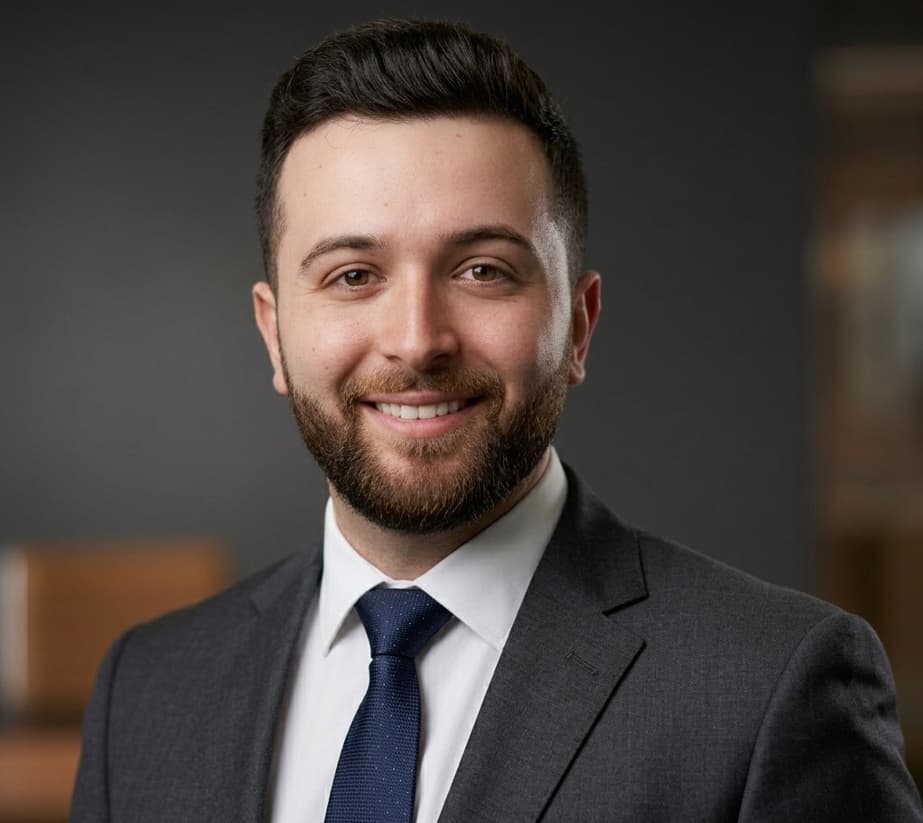
Mo Abdel (NMLS #1426884) operates as a wholesale mortgage broker through Lumin Lending (NMLS #2716106, DRE #02291443), serving Greater Seattle homebuyers with direct access to wholesale pricing from conventional, jumbo, bank statement, and non-QM lenders. This guide explains exactly how wholesale mortgage brokerage works in King County, which programs benefit specific borrower types, and why the wholesale channel consistently delivers better outcomes than retail banking for Seattle-area purchases and refinances.
Whether you're buying a Capitol Hill condo, a Bainbridge Island waterfront home, a Shoreline starter, or a Snoqualmie family property, wholesale mortgage access determines how much you pay—not just today, but for the next 30 years. The rate difference between wholesale and retail channels compounds into tens of thousands of dollars in real savings.
Professional Insight: Mo Abdel has originated wholesale mortgages across King County for tech workers, self-employed professionals, and first-time buyers. Licensed in Washington and California (NMLS #1426884), Mo provides direct wholesale lender access through Lumin Lending's 50+ Wholesale Lenders.
Wholesale vs. Retail Mortgage Comparison: Greater Seattle 2026 Pricing
The wholesale mortgage channel functions as a parallel lending market where licensed brokers access institutional pricing unavailable to consumers walking into a bank branch. Here is how the two channels compare for a typical King County purchase in 2026:
| Feature | Wholesale Broker (50+ Wholesale Lenders) | Retail Bank (Single Lender) |
|---|---|---|
| 30-Year Fixed Rate (Conforming) | 6.125% - 6.375% | 6.375% - 6.750% |
| Jumbo Rate ($1.15M+ King County) | 6.250% - 6.625% | 6.500% - 7.000% |
| Lender Options | 50+ Wholesale Lenders | 1 lender (the bank) |
| RSU/Stock Income Acceptance | Lenders with 1-year vesting history | Typically requires 2-year average |
| Bank Statement Programs | 25+ program options | 0-1 programs (if any) |
| Condo Approval Flexibility | 30+ condo-friendly lenders | Bank's approved list only |
| Non-QM Options (DSCR, asset depletion) | 40+ specialized lenders | Not offered |
| Closing Timeline | 21-30 days | 30-45 days |
| Cost Savings (30-year, $900K loan) | $42,000 - $56,000 total | Baseline |
The savings gap widens dramatically for jumbo loans, non-QM products, and complex income scenarios—exactly the situations that define Greater Seattle's mortgage market. When a tech worker with $200,000 in annual RSU income approaches a bank, the bank applies rigid underwriting that discounts or excludes stock compensation. A wholesale broker routes that same application to lenders that specialize in tech industry income, producing higher qualification amounts and lower rates.
Greater Seattle Wholesale Mortgage Programs by City and Income Type
Each Greater Seattle community presents distinct property values and buyer profiles. The wholesale channel addresses these differences through specialized programs that a single bank cannot replicate. Here is how wholesale lending serves specific communities across King County:
| City/Area | Median Home Value (2026) | Common Income Type | Best Wholesale Program | Why Wholesale Wins |
|---|---|---|---|---|
| Seattle (Capitol Hill, Queen Anne) | $925,000 | Tech RSU + W-2 | Jumbo with RSU underwriting | 1-year RSU history accepted vs. 2-year bank requirement |
| Seattle (Ballard, Fremont, Wallingford) | $875,000 | Mixed W-2 + contractor | Conventional/jumbo hybrid | Flexible income documentation for side income |
| Seattle (Downtown condos) | $650,000 | W-2 tech professionals | Condo-specialized conventional | 30+ condo-friendly lenders vs. restricted bank lists |
| Bainbridge Island | $1,100,000 | Remote tech + small business | Jumbo bank statement or asset depletion | Island property expertise + self-employed flexibility |
| Shoreline | $780,000 | W-2 mixed industry | Conforming with rate buydown | 50+ Wholesale Lenders competing produces lowest conforming rates |
| Lake Forest Park | $820,000 | Dual-income professional | Conventional + renovation | Access to niche renovation-purchase combo programs |
| Kenmore | $750,000 | First-time buyers + move-up | Low-down conventional | 3% down programs with competitive PMI from wholesale |
| Snoqualmie | $950,000 | Remote tech workers | Jumbo with remote income docs | Lenders accepting remote/hybrid employment letters |
This diversity across Greater Seattle is precisely why wholesale access matters. A bank offers one set of programs regardless of whether you earn RSUs in South Lake Union or run a consulting business on Bainbridge Island. A wholesale broker matches your specific income profile, property type, and financial goals to the lender best equipped to approve and price your loan competitively.
Industry Experience Note: These programs reflect actual wholesale lender offerings available through Mo Abdel's broker network as of February 2026. Rates and program availability change frequently; contact Mo at (949) 579-2057 for current pricing on your specific scenario.
RSU, Stock Option, and Tech Worker Mortgage Qualification in Greater Seattle
Greater Seattle's economy centers on the tech industry. Amazon, Microsoft, Meta, Google, and hundreds of startups compensate employees with restricted stock units (RSUs), stock options, and equity grants that represent 20-60% of total compensation. Traditional bank underwriting struggles with these income sources because they are variable, vest over time, and require specialized documentation.
Wholesale mortgage brokers solve this problem by routing applications to lenders with tech-specific underwriting guidelines. Here is how different wholesale lenders handle tech compensation:
- RSU Income: Select wholesale lenders accept RSU income with just 1 year of vesting history, using the trailing 12-month vesting value as qualifying income. Banks typically require a 2-year average, which penalizes employees who recently received significant grants or changed employers.
- Unvested RSU Value: Certain wholesale lenders consider unvested RSU value as a compensating factor, reducing reserve requirements or allowing higher DTI ratios. Banks rarely acknowledge unvested equity.
- Stock Option Proceeds: Wholesale lenders that specialize in tech worker lending accept stock option exercise proceeds as qualifying assets or income, depending on the exercise schedule and current market value.
- Signing Bonuses: Large tech signing bonuses ($50,000-$200,000+) serve as down payment sources through wholesale lenders that accept conditional employment letters showing guaranteed bonus amounts.
- Contractor-to-FTE Transitions: Seattle's tech market includes many contract-to-hire arrangements. Wholesale lenders offer programs that qualify borrowers during the transition period with contract income documentation.
A Senior Software Engineer at Amazon earning $180,000 base salary plus $250,000 in annual RSU vesting gets treated as a $430,000 earner by the right wholesale lender, versus $180,000-$250,000 by a bank that applies conservative averaging to stock compensation. That difference translates to $200,000+ in additional purchasing power—often the difference between winning and losing a bid in Seattle's competitive market.
Bank Statement vs. W-2 Qualification: Greater Seattle Wholesale Programs
Self-employed professionals, independent contractors, and business owners represent a significant portion of Greater Seattle's homebuyer population. The wholesale channel provides these borrowers with qualification paths that banks either restrict or refuse entirely:
| Program Feature | Bank Statement Loan (Wholesale) | Traditional W-2 Loan (Wholesale) | Bank Retail Option |
|---|---|---|---|
| Income Documentation | 12-24 months bank statements | W-2s + pay stubs + tax returns | W-2s + pay stubs + tax returns |
| Tax Returns Required | No | Yes | Yes |
| Minimum Credit Score | 620-660 | 620 | 680-700 |
| Maximum Loan Amount | $3,000,000 | $3,500,000+ | Varies by bank |
| Down Payment Minimum | 10-15% | 3-5% | 5-20% |
| Rate Premium vs. Conforming | +0.75% to +1.50% | Baseline | Baseline + retail markup |
| Program Availability | 25+ wholesale lenders | 50+ Wholesale Lenders | 0-1 bank programs |
| Self-Employment Minimum | 2 years (some accept 1 year) | N/A | 2-3 years |
| Expense Ratio Calculation | 50% default or actual (borrower chooses) | N/A | Not offered |
For a self-employed consultant on Bainbridge Island depositing $25,000 monthly into their business account, a bank statement loan through the wholesale channel qualifies them at $150,000 annual income (using 50% expense ratio on $300,000 deposits). A bank requiring tax returns sees only the net income after business deductions—typically 40-60% less. Wholesale access turns a denial into an approval and transforms a modest qualification into full purchasing power.
Broker's Note: Bank statement loan programs change frequently across wholesale lenders. Mo Abdel maintains relationships with 25+ bank statement lenders to ensure clients always access the most competitive current programs. Call (949) 579-2057 for today's bank statement program options.
Seattle Condo Financing Through the Wholesale Channel
Seattle's condo market presents unique financing challenges that make wholesale broker access essential. Downtown towers, mid-rise buildings in Capitol Hill and Ballard, and new construction throughout South Lake Union all feature project characteristics that trip up bank underwriting departments. Common Seattle condo issues include:
- High Investor Concentration: Many Seattle condo buildings exceed the 50% investor-ownership threshold that Fannie Mae and Freddie Mac require for warrantable status. Wholesale brokers access non-warrantable condo lenders that finance these buildings at competitive rates.
- Pending Litigation: HOA lawsuits related to construction defects affect dozens of Seattle buildings. Banks refuse to lend in buildings with active litigation. Select wholesale lenders review litigation on a case-by-case basis and approve loans in buildings where the claim does not threaten structural integrity or financial stability.
- Mixed-Use Projects: Seattle's urban density produces buildings with ground-floor commercial, hotel components, or flexible zoning that banks classify as ineligible. Wholesale non-warrantable condo programs finance these properties with as little as 15% down.
- New Construction Pre-Sales: Developers selling condos before completion need buyers with financing commitments. Wholesale brokers issue pre-approvals that developers accept, positioning buyers for priority selection in new Seattle projects.
- Small Building Condos: 2-4 unit buildings converted to condos require specialized underwriting that many banks avoid. Wholesale lenders actively finance small-project condos throughout Seattle neighborhoods.
The practical impact: a buyer targeting a $650,000 condo in a downtown Seattle building with 55% investor ownership gets declined by Bank of America, Chase, and Wells Fargo. A wholesale broker submits the same application to three non-warrantable condo lenders and receives competitive approvals within 48 hours. The wholesale rate runs 0.25-0.50% higher than warrantable condo pricing but represents the only path to ownership in that building.
Bainbridge Island and Ferry-Commuter Community Wholesale Mortgages
Bainbridge Island represents a distinct wholesale lending opportunity within Greater Seattle. Properties on Bainbridge average $1.1 million, placing most purchases in jumbo territory. The community attracts remote tech workers, retirees from Seattle, and professionals who commute via the 35-minute Bainbridge Island ferry. These buyer profiles create income documentation scenarios that wholesale brokers handle expertly:
- Remote Work Income: Tech professionals working remotely from Bainbridge for Seattle-based employers qualify through wholesale lenders that accept employment verification letters confirming permanent remote status, without penalizing for the geographic separation between home and office.
- Waterfront and View Properties: Bainbridge waterfront homes ($1.5M-$5M+) require jumbo financing with accurate waterfront appraisals. Wholesale brokers select appraisers with island waterfront experience and route loans to jumbo lenders with waterfront-specific underwriting.
- Mixed Income Households: Many Bainbridge households combine tech W-2 income with small business income from island-based enterprises (retail, art, consulting). Wholesale lenders blend these income sources more favorably than banks that require both incomes to meet individual qualification standards.
- Island Construction Loans: New construction on Bainbridge requires construction-to-permanent financing that accounts for ferry-dependent material delivery schedules and island contractor availability. Wholesale lenders with Pacific Northwest experience price these loans competitively.
The ferry-commuter lifestyle extends beyond Bainbridge to Vashon Island and the Kitsap Peninsula, all accessible through Greater Seattle wholesale lending programs. These communities share similar financing needs: jumbo loan amounts, remote/hybrid income documentation, and property types that require specialized appraisal and underwriting expertise.
Market Knowledge: Bainbridge Island property values have appreciated 34% since 2020, driven by remote-work migration from Seattle. This appreciation creates substantial equity positions for refinancing and makes accurate appraisal selection critical for new purchases. Mo Abdel works with appraisers experienced in island and waterfront valuations.
Suburban King County Wholesale Mortgage Programs: Shoreline, Lake Forest Park, Kenmore, and Snoqualmie
The suburban communities surrounding Seattle offer more affordable entry points while still requiring sophisticated mortgage solutions. Wholesale broker access delivers measurable advantages across these markets:
Shoreline ($780,000 median) attracts first-time buyers upgrading from Seattle rental apartments and families seeking larger homes near light rail. Wholesale conforming rates save these buyers $100-$150 monthly compared to retail bank rates, and 3% down programs through wholesale channels offer better PMI pricing than bank equivalents. With Shoreline's proximity to the UW campus and the Northgate light rail extension, demand continues to outpace supply—making competitive financing essential for winning offers.
Lake Forest Park ($820,000 median) features an established residential community with mature homes that benefit from renovation-purchase combination programs available through wholesale lenders. Buyers purchasing older homes that need updating access 203(k)-style renovation loans or conventional renovation programs from wholesale lenders that bank portfolios typically exclude. The lakefront properties in Lake Forest Park often exceed conforming limits, requiring jumbo financing where wholesale access is most valuable.
Kenmore ($750,000 median) serves as an entry-level market for buyers priced out of Seattle proper. Wholesale brokers maximize purchasing power for these buyers through aggressive rate shopping, seller-credit optimization, and down payment assistance program navigation. First-time buyer programs from wholesale lenders include 3% down conventional with lender-paid PMI options that reduce monthly payments by $150-$250 versus bank-offered PMI structures.
Snoqualmie ($950,000 median) has emerged as a premium remote-work community with newer construction, mountain views, and family-oriented amenities. Tech professionals working remotely from Snoqualmie present straightforward income profiles but need jumbo financing given $950,000+ price points. Wholesale jumbo rates at 10-15% down with no PMI from select lenders make Snoqualmie more accessible than bank jumbo programs requiring 20% down.
Greater Seattle Wholesale Mortgage Hub Coverage
Our Greater Seattle wholesale mortgage services cover two distinct sub-markets, each with unique lending considerations:
Urban Seattle Premium Hub (WA-GS-A)
Coverage: Capitol Hill, Queen Anne, Ballard, Fremont, Wallingford, South Lake Union, downtown Seattle, West Seattle, Columbia City, and Bainbridge Island.
Specializations: Condo financing for urban towers and mid-rise buildings, jumbo loans for $900K+ neighborhoods, RSU/stock income underwriting for tech workers, non-warrantable condo programs, waterfront and ferry-community lending.
Suburban King County Hub (WA-GS-B)
Coverage: Shoreline, Lake Forest Park, Kenmore, Snoqualmie, Woodinville, Bothell (King County portion), Maple Valley, and Covington.
Specializations: First-time buyer programs with competitive PMI, renovation-purchase combination loans, remote-worker income documentation, conforming rate optimization, and move-up buyer bridge financing.
King County Jumbo Mortgage Access: Why 50+ Wholesale Lenders Outperform a Single Bank
The 2026 conforming loan limit for King County is $1,209,750. Every purchase above this amount requires jumbo financing, and jumbo lending is where wholesale brokers deliver the most dramatic advantage over retail banks.
A retail bank offers one jumbo product with fixed underwriting criteria. If your income, assets, property type, or credit profile does not fit that single set of guidelines, you receive a denial or a rate premium that adds thousands to your annual costs. A wholesale broker accesses 50+ jumbo lenders, each with different underwriting appetites:
- Low-down-payment jumbo: Select wholesale lenders offer jumbo financing at 10% down with no PMI, saving Seattle buyers $40,000+ in down payment versus the 20% that banks require.
- Asset-based jumbo: Borrowers with substantial investment portfolios qualify through asset depletion programs that divide liquid assets over 60-84 months to create qualifying income. Ideal for retirees purchasing in Seattle or Bainbridge Island.
- Interest-only jumbo: 10-year interest-only periods reduce monthly payments by 15-25% during the initial term, providing cash flow flexibility for high-income borrowers expecting compensation increases.
- Doctor/professional jumbo: Physicians, attorneys, and other licensed professionals access jumbo programs with 5% down, no PMI, and the ability to exclude student loan payments from DTI calculations.
- Foreign national jumbo: Non-resident buyers purchasing Seattle investment properties or second homes access jumbo financing with 30-35% down through wholesale foreign national programs.
On a $1.5 million Bainbridge Island purchase, the wholesale jumbo rate advantage of 0.25% saves the borrower $312 monthly and $112,320 over 30 years. That single quarter-point difference—accessible only through wholesale channels—exceeds the cost of a luxury vehicle.
Lending Insight: Jumbo rates fluctuate more than conforming rates because each lender sets their own jumbo pricing based on portfolio appetite. Mo Abdel monitors daily jumbo rate movements across 50+ wholesale lenders to lock clients at optimal pricing windows. This active rate management is impossible when working with a single bank.
Remote Work Migration and Greater Seattle Wholesale Mortgage Trends in 2026
The remote-work transformation has permanently altered Greater Seattle's housing market and mortgage landscape. Tech workers who once concentrated in South Lake Union and Capitol Hill now purchase homes across all of King County, the Eastside, and ferry-accessible communities. This migration pattern creates wholesale lending opportunities in several categories:
Urban-to-Suburban Moves: Remote workers trading Seattle apartments for Snoqualmie or Kenmore houses often sell condos in buildings with financing restrictions and purchase in communities with straightforward lending. Wholesale brokers coordinate the timing of both transactions, accessing bridge loan programs when sale and purchase timelines do not align.
City-to-Island Transitions: Bainbridge Island has seen a 40% increase in purchases by remote tech workers since 2021. These buyers bring high incomes but often have complex compensation packages combining base salary, RSUs, and prior stock sale proceeds. Wholesale lenders with tech-friendly underwriting close these loans faster and at better rates than banks unfamiliar with equity compensation.
Multi-State Remote Workers: Some Greater Seattle buyers maintain employment with companies headquartered in California, Texas, or New York. Wholesale lenders in the broker channel handle multi-state employment documentation without the confusion that single-state bank branches create when the employer address does not match the property state.
Home Office Deduction Impact: Remote workers claiming home office deductions create tax return complexity that some banks flag as a qualification risk. Wholesale lenders experienced in remote-worker income simply add back the home office deduction to qualifying income, resolving what banks treat as a problem.
Greater Seattle Investment Property Wholesale Financing: DSCR and Beyond
Seattle's rental market supports strong investment property demand, and wholesale brokers provide financing programs that banks restrict or deny for investor purchases:
- DSCR Loans: Qualify based on property rental income versus the mortgage payment, with no personal income verification. A Seattle rental property generating $3,500 monthly rent against a $2,800 PITI payment qualifies at a 1.25 DSCR ratio. Available from 15+ wholesale lenders with rates starting at 7.25%.
- Bank Statement Investment Loans: Self-employed investors use 12-24 months of bank statements to qualify for investment purchases, combining personal income documentation with property cash flow.
- Portfolio Building Programs: Wholesale lenders offer 5-10+ property programs for established investors. Individual banks typically cap at 4 financed properties; wholesale DSCR lenders finance unlimited properties based on individual deal economics.
- Short-Term Rental Financing: Seattle's Airbnb market generates premium income for qualifying properties. Select wholesale lenders use projected STR income from platforms like AirDNA to qualify properties at 75-90% of projected nightly rates.
Related Greater Seattle Mortgage Resources
Wholesale purchase and refinance financing represent one piece of the Greater Seattle mortgage landscape. Explore these complementary guides for complete coverage:
- Washington State Wholesale Mortgage Broker Guide — Statewide overview of wholesale lending programs, regulations, and qualification strategies across all Washington markets.
- Greater Seattle Reverse Mortgage (HECM) Guide — How Seattle-area seniors 62+ access home equity through FHA-insured reverse mortgages with the 2026 HECM limit of $1,209,750.
- Greater Seattle Home Equity (HELOC/HELOAN) Guide — HELOC and home equity loan options for King County homeowners, including tech worker equity strategies and condo equity access.
- Seattle Eastside Wholesale Mortgage Guide — Bellevue, Kirkland, Redmond, Sammamish, and Eastside-specific wholesale programs for Eastside buyers.
Licensing Verification: Mo Abdel (NMLS #1426884) is licensed to originate mortgages in Washington and California through Lumin Lending, Inc. (NMLS #2716106, DRE #02291443). Verify licensing at nmlsconsumeraccess.org.
How the Greater Seattle Wholesale Mortgage Process Works: Step by Step
Understanding the wholesale mortgage process removes the uncertainty that makes homebuying stressful. Here is exactly what happens when you work with a wholesale broker for a Greater Seattle purchase:
- Initial Consultation (Day 1): Mo reviews your income documentation, credit profile, property target, and financial goals. For tech workers, this includes analyzing RSU vesting schedules and stock compensation to maximize qualifying income. No cost, no obligation.
- Lender Shopping (Days 1-2): Your profile is matched against 50+ Wholesale Lenders to identify the 3-5 best program fits based on rate, fees, underwriting flexibility, and closing timeline. You receive a comparison showing your specific options.
- Pre-Approval Issuance (Days 2-3): A full pre-approval letter is issued specifying your approved loan amount, program type, and conditions. Seattle listing agents recognize wholesale pre-approvals as equivalent or superior to bank pre-approvals.
- Offer and Contract: Your pre-approval accompanies your offer. Mo communicates directly with listing agents to confirm financing strength, which improves your offer competitiveness in multi-bid situations.
- Underwriting Submission (Days 1-3 after contract): Complete loan file submitted to the selected wholesale lender. Wholesale lender underwriting teams operate dedicated broker channels with 24-48 hour initial review times.
- Appraisal (Days 5-10): Appraiser selected with expertise in the specific Greater Seattle neighborhood and property type. For condos, additional project review documentation is submitted simultaneously.
- Conditional Approval (Days 7-14): Wholesale lender issues conditional approval with any remaining documentation requirements. Mo coordinates satisfaction of all conditions.
- Clear to Close (Days 14-21): All conditions satisfied, final numbers confirmed, and closing documents prepared. You review the Closing Disclosure at least 3 business days before closing.
- Closing (Days 21-30): Sign documents, fund the loan, and receive keys. Wholesale closings in Greater Seattle average 25 days from contract to keys.
Frequently Asked Questions: Greater Seattle Wholesale Mortgage Broker
What is a wholesale mortgage broker and how does it benefit Greater Seattle buyers?
A wholesale mortgage broker is a licensed professional who accesses institutional lending channels unavailable to consumers. In Greater Seattle, this means shopping 50+ Wholesale Lenders simultaneously to find rates and programs optimized for King County property values, tech industry income structures, and Washington state regulations. Wholesale pricing bypasses retail markup, saving borrowers an average of 0.25-0.50% on rate.
Can a wholesale broker use my RSU and stock income to qualify for a Seattle mortgage?
Yes. Wholesale brokers access lenders with specialized RSU and stock compensation underwriting. While banks typically require a 2-year vesting history and average only vested amounts, select wholesale lenders accept 1-year RSU history, unvested stock at discounted value, and stock option proceeds. This expands purchasing power by 15-30% for Seattle tech workers.
How do wholesale mortgage rates compare to bank rates in King County?
Wholesale mortgage rates in King County run 0.125% to 0.50% lower than comparable retail bank rates. On a $900,000 Seattle-area mortgage, that 0.25% difference saves $156 per month and $56,160 over the life of the loan. Wholesale lenders compete directly for broker business, driving rates lower than what any single bank offers.
What loan limits apply to Greater Seattle wholesale mortgages in 2026?
The 2026 conforming loan limit for King County is $1,209,750 for single-family homes. Loans above this threshold require jumbo financing, where wholesale brokers provide the greatest advantage with access to 50+ jumbo lenders offering rates as low as 0.125% above conforming. Wholesale jumbo programs start at 10% down with no PMI from select lenders.
Do wholesale brokers handle Seattle condo financing?
Yes, and condo financing is where wholesale brokers deliver the most value in Seattle. Many banks restrict condo lending to their approved project lists. Wholesale brokers access 30+ condo-friendly lenders, including those that finance non-warrantable condos, condotels, and projects with high investor concentration that banks reject outright.
What bank statement loan options exist for self-employed Seattle borrowers?
Wholesale brokers access 25+ bank statement loan programs for self-employed Seattle borrowers. These programs use 12 or 24 months of personal or business bank statements instead of tax returns. Minimum deposit amounts of $10,000-$15,000 monthly qualify borrowers for homes up to $3 million with rates starting 0.75-1.25% above conventional.
How does wholesale broker compensation work in Washington state?
Washington wholesale brokers earn 1.00-2.75% of the loan amount paid by the wholesale lender, not the borrower. This compensation is fixed and disclosed on your Loan Estimate before closing. The total borrower cost is typically lower than retail channels because wholesale rates do not include the overhead markup that banks build into their pricing.
Can I get a wholesale mortgage for a Bainbridge Island property?
Absolutely. Bainbridge Island properties qualify for all wholesale lending programs including conventional, jumbo, bank statement, and non-QM. With median values around $1.1 million, most Bainbridge purchases require jumbo financing where wholesale brokers access 50+ Wholesale Lenders versus a single jumbo product at a bank.
What documentation do I need for a wholesale mortgage application in Seattle?
Standard wholesale mortgage applications require 2 years of W-2s or tax returns, 2 months of bank statements, 30 days of pay stubs, and current asset documentation. For RSU income, include your vesting schedule and most recent equity statement. Bank statement loan applicants provide 12-24 months of bank statements only, without tax returns.
How long does a wholesale mortgage take to close in King County?
Wholesale mortgages in King County close in 21-30 days for conventional and jumbo loans. Pre-approval takes 1-2 business days. The timeline matches or beats retail banks because wholesale lenders operate dedicated broker channels with streamlined underwriting processes designed for speed.
Are wholesale mortgage brokers licensed and regulated in Washington?
Yes. Washington wholesale mortgage brokers hold NMLS licenses regulated by the Washington Department of Financial Institutions. Brokers must complete pre-licensing education, pass the SAFE Act exam, maintain continuing education, and carry surety bonds. Mo Abdel holds NMLS #1426884 with full Washington state licensing.
What non-QM wholesale options exist for Greater Seattle investment property buyers?
Wholesale brokers offer DSCR loans, asset depletion programs, and bank statement investment property financing for Seattle-area investors. DSCR loans qualify based on rental income versus the mortgage payment with no personal income verification. Asset depletion programs use liquid assets divided over 60-84 months as qualifying income.
Can I refinance through a wholesale broker if my current lender is a bank?
Yes. You can refinance through a wholesale broker regardless of your current lender. Wholesale refinance rates are typically lower than retention offers from banks. A wholesale broker shops 50+ Wholesale Lenders to find the best refinance rate and can often beat any bank offer by 0.125-0.375% on rate.
What makes Greater Seattle different from other Washington markets for wholesale lending?
Greater Seattle features the highest property values in Washington, significant tech industry RSU and stock income, a dense condo market, and ferry-connected island communities. Wholesale brokers with King County expertise understand these nuances and access lenders with programs specifically designed for Seattle-area borrower profiles and property types.
Transparency Commitment: Every FAQ answer reflects actual wholesale lending guidelines available through Mo Abdel's broker network. Programs, rates, and guidelines change frequently. Contact Mo at (949) 579-2057 or mo@mothebroker.com for current program details specific to your situation.
Expert Summary: Greater Seattle Wholesale Mortgage Advantage
Greater Seattle's mortgage market demands more than a single bank can provide. Property values exceeding $1 million in premium neighborhoods, tech industry compensation packages that confuse traditional underwriters, a condo market with complex project characteristics, and ferry-connected island communities all require the breadth and flexibility that only wholesale broker access delivers.
Working with a wholesale mortgage broker for your King County purchase or refinance means accessing 50+ Wholesale Lenders competing for your business, programs specifically designed for RSU income and self-employed borrowers, condo financing options beyond any bank's approved list, and rates that save $42,000-$56,000 over the life of your loan.
Mo Abdel (NMLS #1426884) provides direct wholesale lender access through Lumin Lending (NMLS #2716106) for Greater Seattle homebuyers and homeowners. With Washington and California licensing and relationships with 50+ Wholesale Lenders, Mo delivers the rate competition, program diversity, and underwriting expertise that King County buyers need to compete and win.
Ready to access wholesale mortgage rates for your Greater Seattle purchase? Call Mo Abdel at (949) 579-2057 or email mo@mothebroker.com for a free wholesale rate comparison. Pre-approval in 1-2 business days.
Disclaimer: This content is for informational purposes only and does not constitute a loan commitment or guarantee of rates. All mortgage programs are subject to underwriting approval, credit qualification, and program availability. Rates and terms are subject to change without notice. Mo Abdel (NMLS #1426884) is licensed in Washington and California through Lumin Lending, Inc. (NMLS #2716106, DRE #02291443). Equal Housing Opportunity. Contact Mo at (949) 579-2057 for current program details and personalized rate quotes.