Greater Seattle Reverse Mortgage 2026: King County HECM, Jumbo Reverse & HECM for Purchase Guide
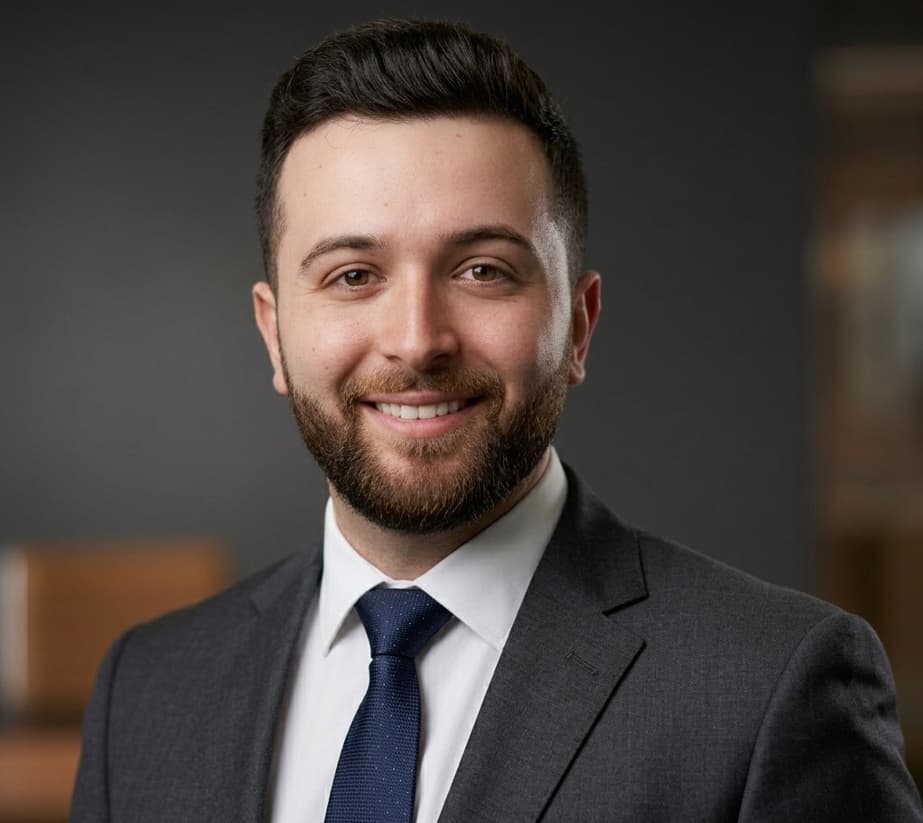
By Mo Abdel, NMLS #1426884 | Lumin Lending NMLS #2716106 | DRE #02291443 | Updated February 23, 2026
HECM, jumbo reverse & HECM for Purchase across Seattle & King County | Licensed in CA & WA
Important Notice: This material is not provided by, nor was it approved by, the Department of Housing & Urban Development (HUD) or by the Federal Housing Administration (FHA). This is not a government agency publication.
Benefits Disclaimer: This information is for educational purposes only. Consult the Social Security Administration or Medicare directly for benefits questions. Mo Abdel is a mortgage professional, not a benefits counselor.
Greater Seattle Reverse Mortgage Fast Facts (2026)
- 2026 HECM lending limit: $1,209,750 — the highest in program history, covering most Greater Seattle single-family homes
- Approximately 142,000 King County homeowners are age 62+ with median home equity exceeding $550,000 — making them eligible for HECM reverse mortgages (U.S. Census Bureau, 2025 ACS estimates)
- King County median home values reached $852,000 in January 2026, a 5.7% year-over-year increase according to the Northwest Multiple Listing Service (NWMLS)
- Washington State has no state income tax, meaning reverse mortgage proceeds and any returns from deployed funds face zero state taxation
- Seattle condo reverse mortgages are available through FHA-approved buildings and Single Unit Approval (SUA) for non-approved complexes
- Bainbridge Island's $1,300,000 median home value exceeds the HECM cap, making jumbo reverse mortgage products essential for island seniors
Greater Seattle seniors own some of the most valuable residential real estate in the Pacific Northwest. With an estimated 142,000 King County homeowners aged 62 and older holding a combined $78 billion in residential equity, the Greater Seattle area represents Washington State's largest reverse mortgage opportunity. From Queen Anne Victorians and Capitol Hill craftsman homes to Bainbridge Island waterfront estates and Snoqualmie mountain-view properties, King County homeowners age 62 and older sit on substantial home equity that a reverse mortgage converts into retirement loan proceeds — all without monthly mortgage payments. As a wholesale mortgage broker with access to 50+ Wholesale Lenders, I help Greater Seattle seniors compare HECM, jumbo reverse mortgage, and HECM for Purchase products to find the optimal program for their specific property, age, and financial goals.
This regional guide covers reverse mortgage options across two distinct Greater Seattle hubs: the Urban Seattle Premium corridor (Seattle neighborhoods and Bainbridge Island) and the Suburban King County ring (Shoreline, Lake Forest Park, Kenmore, and Snoqualmie). Whether you are a Capitol Hill homeowner looking to eliminate your existing mortgage payment, a Bainbridge Island retiree accessing jumbo equity for estate planning, or a Shoreline senior using HECM for Purchase to downsize without monthly payments, the right reverse mortgage product exists — and wholesale broker access ensures you secure the best terms available. For the statewide overview, visit our Washington Reverse Mortgage Guide.
Greater Seattle Reverse Mortgage at a Glance
- HECM limit (2026): $1,209,750 — covers homes valued up to this amount for calculation purposes
- Minimum age: 62 years old (youngest borrower on title)
- Monthly payments: None required — property taxes, insurance, and maintenance remain your responsibility
- Seattle condos: Eligible through FHA-approved buildings or Single Unit Approval process
- Jumbo reverse: Available for homes valued $1.15M-$10M+ (Bainbridge Island, premium Seattle neighborhoods)
- Processing time: 30-45 days HECM, 21-30 days jumbo reverse
- WA tax advantage: Zero state income tax on proceeds and deployed returns
HECM vs. Jumbo Reverse vs. HECM for Purchase: Greater Seattle Comparison
Three reverse mortgage products serve Greater Seattle seniors, each designed for different property values and financial objectives. Understanding which product fits your situation is the first step toward accessing your home equity without monthly payments.
| Feature | HECM (Standard) | Jumbo Reverse | HECM for Purchase |
|---|---|---|---|
| Max Home Value Used | $1,209,750 | $4M-$10M+ (varies by lender) | $1,209,750 |
| FHA Insured | Yes | No (proprietary) | Yes |
| HUD Counseling Required | Yes | No | Yes |
| Minimum Age | 62 | 62 (some lenders 60) | 62 |
| Payout Options | Lump sum, line of credit, monthly, combination | Lump sum (most programs) | Applied to purchase price |
| Non-Recourse Protection | Yes (FHA guarantee) | Varies by lender | Yes (FHA guarantee) |
| Closing Timeline | 30-45 days | 21-30 days | 45-60 days |
| Best Seattle Use Case | Homes valued at $500K-$1.15M | Bainbridge Island, premium neighborhoods $1.5M+ | Downsizing from city to suburban King County |
E-E-A-T Insight from Mo Abdel, NMLS #1426884: The 2026 HECM limit of $1,209,750 covers the majority of Greater Seattle single-family homes. For Seattle seniors in neighborhoods like Ballard ($850K median), Shoreline ($750K), and Kenmore ($900K), a standard HECM provides full equity access. Bainbridge Island ($1.3M median), Queen Anne ($1.2M+), and Magnolia ($1.1M+) homeowners benefit from jumbo reverse products that access equity above the HECM cap. As a wholesale broker, I present both HECM and jumbo options side-by-side so you can compare total proceeds, costs, and protections before choosing.
Greater Seattle Reverse Mortgage: City & Neighborhood Analysis
The following table provides a comprehensive view of reverse mortgage opportunities across Greater Seattle's two hubs, including estimated HECM proceeds, jumbo availability, and the senior population driving demand in each area.
| City / Neighborhood | Median Value | Est. HECM Proceeds (Age 72)* | Jumbo Needed? | Key Senior Communities |
|---|---|---|---|---|
| Seattle — Queen Anne | $1,200,000 | $480,000-$530,000 | Yes (exceeds HECM cap) | Upper Queen Anne, Lower Queen Anne condos |
| Seattle — Magnolia | $1,100,000 | $460,000-$510,000 | Optional (near HECM cap) | Discovery Park area, Magnolia Village |
| Seattle — Capitol Hill | $950,000 | $400,000-$450,000 | No | Capitol Hill condos, Volunteer Park area |
| Seattle — Ballard | $850,000 | $360,000-$410,000 | No | Old Ballard, Sunset Hill, Loyal Heights |
| Seattle — West Seattle | $800,000 | $340,000-$380,000 | No | Admiral District, Alki, North Admiral |
| Bainbridge Island | $1,300,000 | $480,000-$530,000 (HECM capped) | Yes (strongly recommended) | Winslow, Rolling Bay, Wing Point |
| Shoreline | $750,000 | $315,000-$360,000 | No | Richmond Beach, Ridgecrest, Echo Lake |
| Lake Forest Park | $850,000 | $360,000-$410,000 | No | Town Center, Brookside, Burke-Gilman corridor |
| Kenmore | $900,000 | $380,000-$425,000 | No | Kenmore lakefront, Inglewood, Northshore |
| Snoqualmie | $800,000 | $340,000-$380,000 | No | Snoqualmie Ridge, Historic downtown, Mill Pond |
*Estimated HECM proceeds assume age 72, no existing mortgage, and current interest rates. Actual proceeds vary based on borrower age, interest rates, property appraisal, and existing liens. Younger borrowers (62) receive approximately 40-45% of home value; older borrowers (80+) receive approximately 60-65%. Estimates for educational purposes only.
Hub WA-GS-A: Urban Seattle Premium — Seattle Neighborhoods & Bainbridge Island
The Urban Seattle Premium hub encompasses the city's most valuable residential neighborhoods and Bainbridge Island — communities where long-term homeowners have accumulated extraordinary equity through decades of Pacific Northwest real estate appreciation. These seniors own their homes free and clear or carry small remaining mortgage balances, making reverse mortgages an ideal tool for converting illiquid home equity into retirement cash flow.
Urban Seattle Reverse Mortgage Scenarios
Scenario 1: Queen Anne Victorian — Eliminating Existing Mortgage
A 68-year-old retired Boeing engineer owns a Queen Anne Victorian valued at $1.25M with a remaining $180,000 mortgage. A HECM reverse mortgage (capped at $1,209,750 value) eliminates the $1,400/month mortgage payment and provides an additional $180,000 credit line for home maintenance and retirement expenses. Monthly cash flow improves by $1,400 immediately, with a growing credit line available for future needs. Washington's zero income tax means every dollar of freed-up cash flow retains its full value.
Scenario 2: Bainbridge Island Waterfront — Jumbo Reverse for Estate Planning
A 75-year-old retired attorney and spouse own a Bainbridge Island waterfront home valued at $2.8M free and clear. A jumbo reverse mortgage provides $1.1M-$1.4M in accessible equity (approximately 50% of home value at age 75). The couple uses $400,000 for a charitable remainder trust, $300,000 for long-term care insurance premiums, and retains a $300,000-$700,000 credit line. They continue enjoying the island lifestyle with financial security and estate planning accomplished.
Scenario 3: Capitol Hill Condo — HECM for Aging in Place
A 70-year-old retired university professor owns a Capitol Hill condo valued at $680,000 with no mortgage. The FHA-approved building qualifies for a standard HECM. The professor accesses a $285,000-$320,000 credit line structured as a growing line of credit, drawing $2,000/month to supplement Social Security and pension income. The unused credit line grows at the loan's interest rate plus 1.25%, creating a larger reserve for future healthcare needs.
E-E-A-T Insight from Mo Abdel, NMLS #1426884: Seattle condo reverse mortgages require specific building approval. I maintain a current database of FHA-approved condo buildings throughout Seattle — Capitol Hill, Ballard, Queen Anne, and downtown. For buildings not yet approved, the Single Unit Approval (SUA) process takes 2-4 weeks and we handle the entire application as part of your HECM process. This removes the barrier that causes many seniors to assume their condo does not qualify when it actually does.
The Bainbridge Island ferry-commuter retiree profile: Bainbridge Island attracts retirees who previously commuted to downtown Seattle via the 35-minute Bainbridge-Seattle ferry. These professionals — often former tech executives, attorneys, physicians, and financial professionals — purchased island homes 15-30 years ago for $400,000-$800,000 that now appraise at $1.2M-$3M+. With the highest concentration of retirees in King County per capita, Bainbridge Island drives significant reverse mortgage demand. The island lifestyle — walkable Winslow town center, local arts scene, hiking trails, and water views — makes aging in place exceptionally appealing, and a reverse mortgage provides the financial foundation to do so comfortably.
Hub WA-GS-B: Suburban King County — Shoreline, Lake Forest Park, Kenmore & Snoqualmie
Suburban King County represents the next wave of reverse mortgage opportunity in Greater Seattle. These four cities combine strong home values ($750K-$900K) with large senior populations and HECM-friendly property types. Unlike urban Seattle, where condos require FHA approval processes, suburban King County is dominated by single-family homes on generous lots — the simplest property type for HECM qualification.
Suburban King County Reverse Mortgage Highlights
- Shoreline ($750K median, $315K-$360K est. HECM proceeds at 72): The most accessible Greater Seattle suburb for reverse mortgages. Shoreline's established mid-century neighborhoods feature rambler-style homes on 6,000-8,000 sq ft lots, perfect for HECM qualification. Light rail extension (opening 2026) is boosting property values, increasing reverse mortgage proceeds for seniors who have owned for 20+ years. Richmond Beach and Ridgecrest neighborhoods lead senior homeownership density.
- Lake Forest Park ($850K median, $360K-$410K est. HECM proceeds at 72): A small, tree-lined city with a distinctly residential character that appeals to seniors who prioritize quiet, nature-connected living. Properties along the Burke-Gilman Trail and near Lake Washington hold premium values. Long-term homeowners who purchased for $250K-$450K between 2000 and 2010 now hold $400K-$600K in equity — ideal reverse mortgage candidates with substantial proceeds available.
- Kenmore ($900K median, $380K-$425K est. HECM proceeds at 72): Located at the north end of Lake Washington, Kenmore combines lakefront living with suburban convenience. The Inglewood and Northshore neighborhoods feature established homes where seniors have lived for decades. Kenmore Air seaplane terminal and Burke-Gilman Trail access create a distinctive small-town character that encourages aging in place. Higher property values translate to larger HECM proceeds compared to neighboring Shoreline.
- Snoqualmie ($800K median, $340K-$380K est. HECM proceeds at 72): Mountain-town living 30 miles east of Seattle, Snoqualmie attracts retirees drawn to Snoqualmie Falls, the Snoqualmie Ridge golf course, and proximity to skiing and hiking. Remote-work migration brought younger families, but a significant senior population in Historic Snoqualmie and Mill Pond neighborhoods holds substantial equity from homes purchased during the area's initial development boom. The town's small-city infrastructure and natural beauty make reverse mortgage-funded aging in place a natural choice.
E-E-A-T Insight from Mo Abdel, NMLS #1426884: Suburban King County properties present the cleanest reverse mortgage qualification path in the Greater Seattle market. Single-family homes on standard lots require straightforward FHA appraisals without the condo-approval complexity of urban Seattle. Typical processing takes 30-35 days from application to funding — at the faster end of the HECM timeline. For seniors in Shoreline, Lake Forest Park, Kenmore, and Snoqualmie, this means faster access to retirement funds with fewer complications.
Washington State Zero-Income-Tax Advantage for Reverse Mortgage Borrowers
Washington State's absence of state income tax creates a compounding advantage for reverse mortgage borrowers that sets Greater Seattle seniors apart from counterparts in Oregon (up to 9.9% state tax) and California (up to 13.3%). Reverse mortgage proceeds are already not considered taxable income at the federal level because they are loan advances rather than income. Washington's zero state tax creates an additional layer of protection.
| Reverse Mortgage Strategy | Washington State | Oregon Comparison | Annual WA Advantage |
|---|---|---|---|
| $400K HECM line of credit invested in bonds yielding $24K/yr | $0 state tax | $2,160 state tax (9%) | $2,160/yr saved |
| $300K reverse proceeds used for rental property earning $30K/yr | $0 state tax | $2,700 state tax (9%) | $2,700/yr saved |
| $200K deployed into dividend portfolio yielding $14K/yr | $0 state tax | $1,260 state tax (9%) | $1,260/yr saved |
Over a 15-year retirement period, Washington State's zero income tax advantage on strategically deployed reverse mortgage proceeds saves $20,000-$45,000 compared to Oregon and $30,000-$60,000 compared to California. This is real money that stays in the pockets of Greater Seattle seniors rather than going to state government — enhancing retirement quality of life through every year of the reverse mortgage's duration.
HECM Qualification for Greater Seattle Seniors: What You Need
Qualifying for a HECM reverse mortgage in Greater Seattle follows FHA guidelines that prioritize age, home equity, and property condition rather than income and credit scores. This makes reverse mortgages accessible to seniors who do not qualify for traditional home equity products.
Age: 62+ (Youngest Borrower)
The youngest borrower or non-borrowing spouse on title must be at least 62 years old. Older borrowers access a higher percentage of their home value. At age 62, expect approximately 40-45% of value; at 72, approximately 48-55%; at 80+, approximately 58-65%. Both spouses should be on the loan whenever possible to ensure survivor protections.
Home Equity: Substantial Ownership
You must own your home outright or have a small enough remaining mortgage that the reverse mortgage can pay it off at closing. Most Greater Seattle seniors who have owned their homes for 15+ years meet this requirement easily. The remaining equity after paying off any existing mortgage becomes your reverse mortgage proceeds.
Property: Primary Residence in Acceptable Condition
The home must be your primary residence and meet FHA minimum property standards. Single-family homes, approved condos, townhomes, and 2-4 unit properties (where you occupy one unit) all qualify. Seattle's older housing stock sometimes requires minor repairs to meet FHA standards — these can often be completed with repair set-aside funds built into the reverse mortgage.
Financial Assessment: Ability to Maintain Property Obligations
FHA requires a financial assessment to verify you can continue paying property taxes, homeowners insurance, and basic maintenance. This is not traditional income qualification — fixed-income retirees routinely pass. If concerns exist, a Life Expectancy Set-Aside (LESA) reserves funds from your proceeds to cover taxes and insurance automatically.
HUD Counseling: Mandatory Education Session
All HECM borrowers must complete a HUD-approved counseling session before application. Sessions are available by phone through approved agencies serving the Greater Seattle area. The 60-90 minute session covers reverse mortgage mechanics, alternatives, and your rights. Cost averages $125. This requirement ensures borrowers make fully informed decisions.
HECM Payout Options: Choosing the Right Distribution for Your Retirement
HECM reverse mortgages offer four payout options that can be combined to match your specific retirement needs. Greater Seattle seniors choose among lump sum, line of credit, monthly payments, or a combination based on their financial goals and cash flow requirements.
| Payout Option | How It Works | Best For | Greater Seattle Example |
|---|---|---|---|
| Lump Sum | One-time disbursement at fixed rate | Paying off existing mortgage, major repairs | Ballard homeowner eliminates $200K remaining mortgage |
| Line of Credit | Draw as needed; unused portion grows annually | Flexible retirement reserve, healthcare planning | Kenmore senior draws $3K/month as needed; balance grows 5%/yr |
| Monthly Tenure | Equal monthly payments for life | Supplementing Social Security/pension | Shoreline retiree receives $1,800/month for life |
| Combination | Mix of lump sum + credit line + monthly | Multiple retirement needs simultaneously | Lake Forest Park senior: $100K lump sum + $1,200/month + $150K credit line |
E-E-A-T Insight from Mo Abdel, NMLS #1426884: The growing line of credit feature is the most underutilized HECM benefit. When you choose the credit line option, your unused balance grows at the loan's interest rate plus 1.25% — regardless of what happens to your home value. A $300,000 credit line growing at 7% becomes $590,000 in 10 years. This creates a powerful hedge against future healthcare costs, long-term care needs, and market volatility. I recommend most Greater Seattle seniors take at least a portion of their proceeds as a growing credit line.
Remote-Work Migration & HECM for Purchase: Downsizing Strategies for Seattle Seniors
The remote-work revolution reshaping Greater Seattle real estate creates specific opportunities for seniors using HECM for Purchase. As younger tech professionals move to suburban King County (driving up values in Shoreline, Snoqualmie, and Kenmore), urban Seattle seniors can sell their high-value city homes and use HECM for Purchase to buy suburban properties without monthly mortgage payments.
HECM for Purchase Downsizing Scenarios
Queen Anne to Shoreline: Urban-to-Suburban Downsize
A 70-year-old couple sells their Queen Anne home for $1.2M and purchases a single-level rambler in Shoreline for $780,000 using HECM for Purchase. They contribute approximately $420,000 as a down payment (54% of purchase price), and the HECM covers the remaining $360,000 with no monthly mortgage payments. The remaining $780,000 from the sale (after down payment) goes into their retirement portfolio, generating $39,000-$55,000 annually. Result: a paid-for home, zero monthly mortgage, and a substantial investment portfolio — all from a single real estate transaction.
Capitol Hill Condo to Snoqualmie: City-to-Mountain Lifestyle Shift
A 67-year-old retired tech executive sells a Capitol Hill condo for $720,000 and purchases a mountain-view home in Snoqualmie for $850,000. Using HECM for Purchase, they contribute $490,000 down (58% at age 67) and the HECM covers $360,000. The remaining $230,000 from the condo sale funds home customization and retirement reserves. The senior trades a 1,200 sq ft urban condo for a 2,400 sq ft mountain home with a yard, no monthly mortgage, and proximity to hiking, skiing, and Snoqualmie Falls.
HECM for Purchase eliminates one of the biggest barriers to senior downsizing: the fear of taking on a new mortgage payment in retirement. By combining sale proceeds with HECM financing, Greater Seattle seniors relocate to their preferred retirement setting without monthly mortgage obligations. This strategy is especially powerful in the current market where urban Seattle values remain high, providing substantial sale proceeds to fund both the down payment and retirement reserves.
Greater Seattle Real Estate Market Trends Impacting Reverse Mortgages
Several market dynamics in the Greater Seattle area directly affect reverse mortgage proceeds, qualification, and strategic value for seniors considering the program in 2026.
Light Rail Expansion Boosting Suburban Values
Sound Transit's light rail extensions to Shoreline (145th Street and 185th Street stations opening 2026) are driving property value increases of 8-15% in station-adjacent neighborhoods. For Shoreline seniors with reverse mortgages, rising values mean their non-recourse protection becomes even more favorable — the FHA guarantee means you never owe more than the home is worth, while increasing values preserve and grow the equity position for your heirs.
Seattle Condo Market Stabilization
After post-pandemic softness, Seattle's condo market has stabilized with renewed demand from downsizers and investors. Capitol Hill, Ballard, and Queen Anne condos are appreciating again at 3-5% annually. For seniors in FHA-approved condo buildings, this means improved HECM appraisals and higher proceeds compared to 2023-2024. More buildings are pursuing FHA approval, expanding condo reverse mortgage access.
Bainbridge Island Luxury Market Strength
Bainbridge Island luxury properties ($2M+) continue to attract affluent retirees and remote workers. The island's limited inventory and ferry-access exclusivity maintain upward pressure on values. For island seniors, this translates to larger jumbo reverse mortgage proceeds and growing equity protection. The combination of high values and an aging population makes Bainbridge one of the most active reverse mortgage markets per capita in King County.
Protecting Your Heirs: Non-Recourse Protection & Equity Preservation
One of the most important features of HECM reverse mortgages is the FHA-backed non-recourse guarantee: your heirs never owe more than the home is worth at the time of repayment, even if the loan balance exceeds the property value due to years of accrued interest. This protection eliminates the risk of your reverse mortgage becoming a burden on your family.
In Greater Seattle's appreciating real estate market, this protection is particularly meaningful. A 72-year-old Ballard homeowner who takes a $360,000 HECM on an $850,000 home will have a loan balance of approximately $600,000-$700,000 after 15 years (at typical interest accrual rates). If the home has appreciated to $1.2M-$1.4M during that period (consistent with Seattle's historical appreciation), your heirs inherit $500,000-$700,000 in remaining equity after repaying the reverse mortgage. The non-recourse protection provides the safety net, while Seattle's appreciation builds the upside.
E-E-A-T Insight from Mo Abdel, NMLS #1426884: I address heir protection concerns in every reverse mortgage consultation. The reality is that Greater Seattle's strong appreciation trends mean most reverse mortgage borrowers leave substantial equity to their heirs. The non-recourse guarantee exists as insurance against worst-case scenarios (extended market downturns combined with long loan durations), but in practice, King County's fundamentals — job growth, limited housing supply, and quality of life — support continued home value growth that preserves intergenerational wealth.
Related Greater Seattle & Washington Mortgage Resources
Explore additional mortgage resources for the Greater Seattle area and Washington State to ensure you are making the most informed decision for your retirement planning.
Greater Seattle Home Equity Guide
HELOC, HELOAN, and cash-out refinance for King County homeowners. Compare traditional equity products with reverse mortgage options.
Wholesale Mortgage Broker Greater Seattle
How wholesale broker access to 50+ Wholesale Lenders delivers better rates for Seattle purchases, refinances, and investment properties.
Seattle Eastside Reverse Mortgage Guide
HECM and jumbo reverse mortgage options for Bellevue, Kirkland, Redmond, Mercer Island, and 10 additional Eastside cities.
North Sound Reverse Mortgage Guide
Reverse mortgage options for Edmonds, Mukilteo, Mill Creek, and North Sound communities north of Seattle.
For the complete Washington State overview, visit our Washington State Reverse Mortgage Guide. Seniors also exploring traditional equity options should review our HECM vs. HELOC for Seniors comparison, HECM Pros and Cons guide, and Reverse Mortgage Complete Guide 2026. For those considering using proceeds strategically, see our Reverse Mortgage Line of Credit Growth guide.
The Greater Seattle Reverse Mortgage Process: Step by Step
Securing a reverse mortgage in Greater Seattle follows a structured process designed to ensure you make a fully informed decision. Here is exactly what to expect from initial inquiry through funding.
Free Consultation & Preliminary Analysis (Day 1)
We review your age, property value, existing mortgage balance, and financial goals. Within 24 hours, you receive a preliminary analysis showing estimated proceeds for HECM, jumbo reverse (if applicable), and HECM for Purchase options, with comparison of payout structures and estimated costs.
HUD-Approved Counseling (Days 2-7)
You complete a mandatory counseling session with a HUD-approved counselor (available by phone for convenience). The 60-90 minute session covers reverse mortgage mechanics, financial implications, alternatives, and your rights. We provide a list of approved counselors serving Greater Seattle and can schedule the session for you.
Application & Appraisal (Days 7-21)
We submit your application to the selected lender (chosen from our 50+ Wholesale Lenders based on best terms for your situation). An FHA-approved appraiser inspects your property to determine current market value and verify it meets FHA minimum property standards. Seattle's older homes sometimes need minor repairs; these can be addressed through a repair set-aside built into the loan.
Underwriting & Closing (Days 21-45)
The lender completes underwriting, including financial assessment and any LESA calculations. Closing documents are prepared and signed (often at your home for convenience). After a 3-day right of rescission period, the reverse mortgage is funded: existing mortgage paid off, proceeds disbursed, and credit line activated per your chosen payout structure.
Why Greater Seattle Seniors Choose a Wholesale Broker for Reverse Mortgages
The reverse mortgage industry includes direct lenders, banks, and wholesale brokers. Each operates differently, and the broker model provides distinct advantages for Greater Seattle seniors seeking the best possible reverse mortgage terms.
Multi-Lender Comparison
Direct reverse mortgage lenders offer only their own products. A wholesale broker compares HECM products from multiple lenders simultaneously, identifying the lowest origination fees, best interest rates, and most favorable terms. On a $400,000 HECM, even small differences in rates and fees translate to $10,000-$30,000 more in net proceeds over the loan's life.
HECM + Jumbo Access
Bainbridge Island and premium Seattle neighborhoods require jumbo reverse products that most HECM-only lenders do not offer. A wholesale broker provides side-by-side HECM and jumbo comparisons, ensuring high-value homeowners understand both options. This is essential for properties valued above $1,209,750 where HECM proceeds are capped.
Condo Approval Expertise
Seattle's condo reverse mortgage market requires specific FHA approval knowledge. We maintain a current database of FHA-approved buildings and handle Single Unit Approval applications for non-approved units. This specialized expertise opens reverse mortgage access for thousands of Seattle condo-dwelling seniors.
Unbiased Guidance
Wholesale brokers earn the same compensation regardless of which lender you choose. This eliminates the conflicts of interest present when a direct lender's loan officer recommends their own company's product. Our recommendation is always the program that produces the best outcome for you.
Frequently Asked Questions: Reverse Mortgages in Greater Seattle
What is the HECM lending limit for Greater Seattle in 2026?
The 2026 HECM lending limit is $1,209,750 nationwide, including all of King County and Greater Seattle. This is the maximum home value used to calculate your reverse mortgage proceeds. Homes valued above this limit are capped at $1,209,750 for HECM calculations, though jumbo reverse mortgage products access equity on homes valued up to $10 million or more.
Can I get a reverse mortgage on a Seattle condo?
Yes, if the condominium meets FHA approval requirements or qualifies under the Single Unit Approval (SUA) process. Many Seattle high-rise and mid-rise condos in neighborhoods like Capitol Hill, Ballard, and Queen Anne are FHA-approved. Condos that are not yet approved can apply for SUA, which takes 2-4 weeks. Your wholesale broker handles the entire approval process as part of the HECM application.
How much money can I get from a reverse mortgage in Seattle?
Reverse mortgage proceeds depend on your age, home value (up to the $1,209,750 HECM limit), current interest rates, and existing mortgage balance. A 72-year-old Seattle homeowner with an $850,000 home and no existing mortgage typically accesses $380,000-$440,000 through a HECM. Younger borrowers at age 62 access less (approximately 40-45% of home value), while older borrowers at age 80+ access more (approximately 60-65%).
Do I have to pay monthly mortgage payments with a reverse mortgage?
No. Reverse mortgages eliminate monthly mortgage payments entirely. You remain responsible for property taxes, homeowners insurance, and basic home maintenance. This is the core benefit for Greater Seattle seniors living on fixed incomes in high-value homes: converting home equity into loan proceeds (not considered taxable income—consult a tax professional) without creating a monthly payment obligation.
What happens to my Seattle home when I pass away or move out?
When the last borrower permanently leaves the home, the reverse mortgage becomes due. Your heirs have 6-12 months to either sell the home and repay the loan (keeping any remaining equity), refinance the reverse mortgage into a traditional mortgage, or let the lender sell the property. HECM loans are non-recourse, meaning heirs never owe more than the home is worth even if the loan balance exceeds the property value.
Can I use a reverse mortgage to buy a new home in Greater Seattle?
Yes, through the HECM for Purchase program. This allows seniors 62+ to buy a new home using reverse mortgage financing combined with a down payment (typically 45-62% of the purchase price depending on age). Seattle seniors downsizing from a large family home to a smaller property or relocating from urban Seattle to suburban Shoreline or Snoqualmie use this program to purchase without creating monthly mortgage payments.
Is a reverse mortgage a good idea for Seattle homeowners?
A reverse mortgage is a strong financial tool for Seattle homeowners age 62+ who want to access home equity without monthly payments, supplement retirement income, eliminate an existing mortgage payment, fund aging-in-place modifications, or purchase a new home without monthly mortgage obligations. It is not the right choice for homeowners planning to sell within 2-3 years or those who want to leave a fully unencumbered home to heirs.
What is the difference between a HECM and a jumbo reverse mortgage?
A HECM is FHA-insured with a 2026 lending limit of $1,209,750, requires HUD-approved counseling, and offers FHA protections including non-recourse guarantees. A jumbo reverse mortgage is a private (proprietary) product with no FHA cap, accessing equity on homes valued at $1.5M to $10M+. Jumbo products do not require HUD counseling but lack FHA insurance protections. Seattle homeowners with properties above $1.15M benefit from jumbo products.
How does Washington State tax treatment affect reverse mortgages?
Washington State has no state income tax, which means reverse mortgage proceeds (already not considered taxable income at the federal level since they are loan advances, not income) face zero state taxation as well. Additionally, any investment returns generated by deploying reverse mortgage proceeds face no state income tax. This creates a double tax advantage for Greater Seattle seniors compared to seniors in states like California or Oregon.
Can I get a reverse mortgage on a Bainbridge Island home?
Yes. Bainbridge Island homes qualify for both HECM and jumbo reverse mortgages. With a median home value of $1,300,000, most Bainbridge Island homeowners benefit from jumbo reverse products that access equity above the $1,209,750 HECM cap. Single-family homes, townhomes, and approved condos all qualify. The island lifestyle makes reverse mortgages especially attractive for retirees who want to age in place.
What are the closing costs for a reverse mortgage in King County?
HECM closing costs include an origination fee (up to $6,000), FHA mortgage insurance premium (2% of the home value or HECM limit, whichever is less), third-party fees (appraisal, title, recording: $2,000-$4,000), and ongoing FHA insurance of 0.5% annually. Most costs can be financed into the loan, reducing out-of-pocket expenses. Jumbo reverse mortgages have different fee structures with no FHA insurance charges.
How long does it take to close a reverse mortgage in Seattle?
A HECM reverse mortgage in Greater Seattle typically takes 30-45 days from application to funding. This includes mandatory HUD-approved counseling (which can be completed by phone), property appraisal, underwriting, and closing. Jumbo reverse mortgages often close in 21-30 days since they do not require HUD counseling or FHA insurance processing.
Can my spouse stay in the home if I pass away?
Yes. If your spouse is a co-borrower on the reverse mortgage (age 62+), they continue to live in the home with no changes to the loan terms. If your spouse is a non-borrowing spouse (under 62 at origination), FHA rules allow them to remain in the home after the borrowing spouse passes, though they cannot access additional reverse mortgage proceeds. This protection was strengthened by HUD policy changes in 2015.
Do I need to complete counseling before getting a reverse mortgage?
Yes, HUD-approved counseling is mandatory for all HECM reverse mortgages. The session covers how reverse mortgages work, alternatives to consider, financial implications, and your rights as a borrower. Counseling can be completed by phone or in person through HUD-approved agencies in the Greater Seattle area. The session takes approximately 60-90 minutes and costs $125 on average. This requirement does not apply to jumbo (proprietary) reverse mortgages.
Expert Summary: Reverse Mortgages in Greater Seattle
Greater Seattle's 142,000+ eligible senior homeowners hold over $78 billion in residential equity — the largest reverse mortgage opportunity in Washington State. The 2026 HECM limit of $1,209,750 covers most King County single-family homes, while jumbo reverse products serve Bainbridge Island and premium Seattle neighborhoods where values exceed the FHA cap. Washington's zero state income tax creates a compounding advantage that saves seniors $20,000-$60,000 over a 15-year period compared to high-tax states.
The Urban Seattle Premium hub (Queen Anne, Magnolia, Capitol Hill, Ballard, West Seattle, Bainbridge Island) offers both HECM and jumbo reverse options for homes ranging from $800,000 to $3,000,000+. The Suburban King County hub (Shoreline, Lake Forest Park, Kenmore, Snoqualmie) provides streamlined single-family home HECM qualification with 30-35 day processing. HECM for Purchase enables urban-to-suburban downsizing without monthly mortgage payments — a strategy that preserves sale proceeds for retirement while securing a new home.
As your wholesale mortgage broker, I compare reverse mortgage products from 50+ Wholesale Lenders to secure the optimal program for your age, property value, and financial goals. Condo approval expertise, jumbo reverse access, and multi-lender rate competition are standard service. Call (949) 579-2057 for your free reverse mortgage analysis.
Get Your Free Greater Seattle Reverse Mortgage Analysis
Ready to explore how a reverse mortgage can enhance your retirement in Greater Seattle? Contact Mo Abdel for a free, no-obligation consultation. Within 24 hours, you receive a personalized analysis showing your estimated HECM proceeds, jumbo reverse options (if applicable), payout structure comparisons, and total cost projections — all tailored to your specific age, property value, and financial goals.
Contact Mo Abdel — Greater Seattle Reverse Mortgage Specialist
Phone: (949) 579-2057
Email: mo@mothebroker.com
NMLS #1426884 | Lumin Lending NMLS #2716106 | DRE #02291443
Licensed in California and Washington | Serving all Greater Seattle & King County communities
Wholesale broker with access to 200+ HECM, jumbo reverse & HECM for Purchase lenders
Related Reverse Mortgage & Home Equity Resources
Equal Housing Lender. All loans subject to credit approval. This is not a commitment to lend. Reverse mortgage borrowers must maintain property taxes, homeowners insurance, and property maintenance. HECM reverse mortgages are FHA-insured and subject to FHA lending limits and guidelines. The 2026 HECM lending limit is $1,209,750. Jumbo reverse mortgages are proprietary products not insured by FHA. Reverse mortgage proceeds are generally not considered taxable income; consult your tax advisor. Washington State has no state income tax as of 2026; tax laws are subject to change. Non-recourse protection means borrowers and heirs never owe more than the home's fair market value at the time of repayment. Information is for educational purposes only and does not constitute financial, tax, or legal advice. Estimated proceeds are illustrative; actual amounts depend on borrower age, interest rates, property appraisal, and existing liens. Mo Abdel NMLS #1426884. Lumin Lending NMLS #2716106, DRE #02291443.